


Did you know only 28% of older adults meet recommended exercise guidelines, yet those who do report up to 30% more daily energy ? If you want to reclaim your vitality and feel years younger, choosing the right senior fitness routines can make a dramatic difference in just weeks. Whether you’re hoping to maintain independence, reduce the risk of injury, or simply keep up with grandchildren, read on to discover scientifically backed ways to energize your lifestyle today.
Why Senior Fitness Routines Matter: The Surprising Link Between Exercise and Vitality in Older Adults
- Recent research shows that only 28% of older adults meet recommended physical activity guidelines, yet those who do experience up to 30% greater daily energy. Discover how tailored senior fitness routines transform health and boost energy within weeks.
For many older adults , staying active isn’t just about appearance—it’s the gateway to extending independence, resilience, and daily joy. Studies continue to reveal that older adults who embrace regular exercise and customized senior fitness routines increase not only their overall vitality but also reduce the risk of falls, heart disease, and other chronic conditions significantly. This means improved quality of life, enhanced strength, and a renewed sense of confidence in daily living.
What’s truly remarkable is the speed at which these changes can occur. Within a matter of weeks, older adults engaged in a structured exercise program notice better stamina, improved mood, and decreased risk of injury. The right blend of physical activity provides a foundation for healthy aging—and it’s never too late to start. Let’s explore how these routines work their magic and how you can craft an effective, sustainable plan.
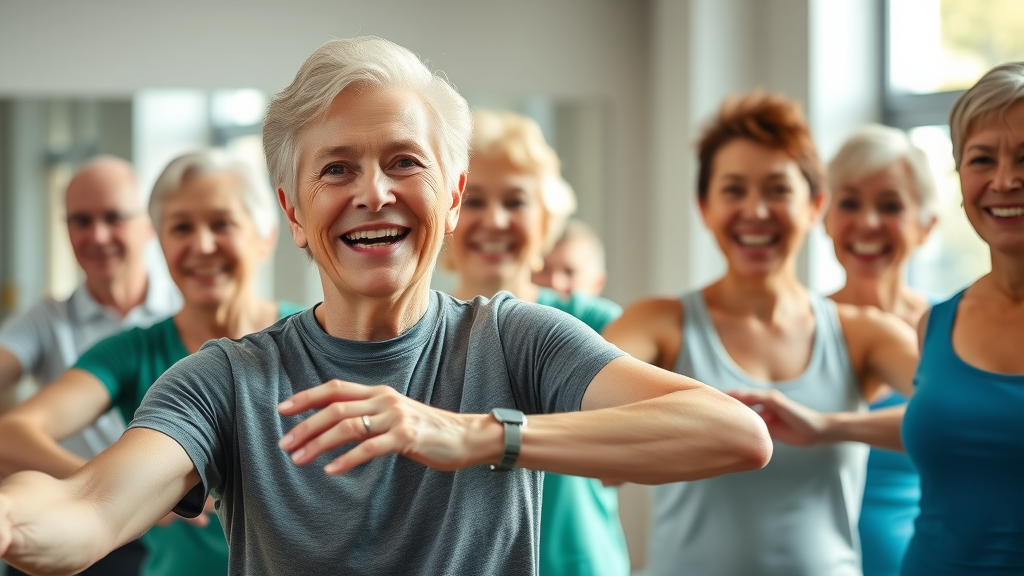
Physical Activity for Older Adults: How Senior Fitness Routines Provide Lasting Energy and Health Benefits
Understanding the Impact of Physical Activity and Exercise Programs on Quality of Life
- Explore evidence-based benefits: improved heart health, reduced risk of falls, and enhanced mobility for older adults.
Embracing a consistent physical activity schedule yields far-reaching health benefits for older adults. Regular exercise programs have been shown to bolster heart health , substantially reduce the risk of falls by enhancing muscle strength and balance, and support better mobility in daily living. These results don’t happen by chance. Physical activity stimulates increased blood flow, nerve activity, and hormone production, supporting memory, mood regulation, and even sleep quality in older adults.
The impact on daily living can be profound. For instance, simple movements incorporated into a daily exercise program can help maintain joint flexibility, reduce painful stiffness from arthritis, and improve cardiovascular fitness. Moreover, these routines are proven to lower the risk of chronic diseases such as heart disease, diabetes, and osteoporosis, helping older adults stay independent and active for years to come. When designed properly, senior fitness routines are a powerful prescription for robust health and sustained energy.
Breaking Down Exercise for Seniors: What Types Matter Most?
- Aerobic, strength training, balance exercises, and range of motion routines—all crucial for effective senior fitness routines.
While there’s no one-size-fits-all formula, the most effective senior fitness routines incorporate four essential categories: aerobic activity , strength training , balance exercises, and range of motion or flexibility routines. Aerobic or cardiovascular activities, such as brisk walking, swimming, or low-impact aerobics, help boost heart health and stamina. Strength training exercises using resistance bands, light dumbbells, or even body weight promote muscle strength in the upper back, arms, and legs, which is critical for reducing the risk of injury or falls and managing daily activities.
Balance exercises, like tai chi and standing leg lifts, are also vital to help improve balance and provide confidence in movement. Lastly, range of motion stretching and flexibility exercises ensure that joints stay limber, reducing the risk of stiffness or pain. A comprehensive exercise program that includes each category offers the best results for older adults and supports safe, enjoyable physical activity across a variety of ability levels.
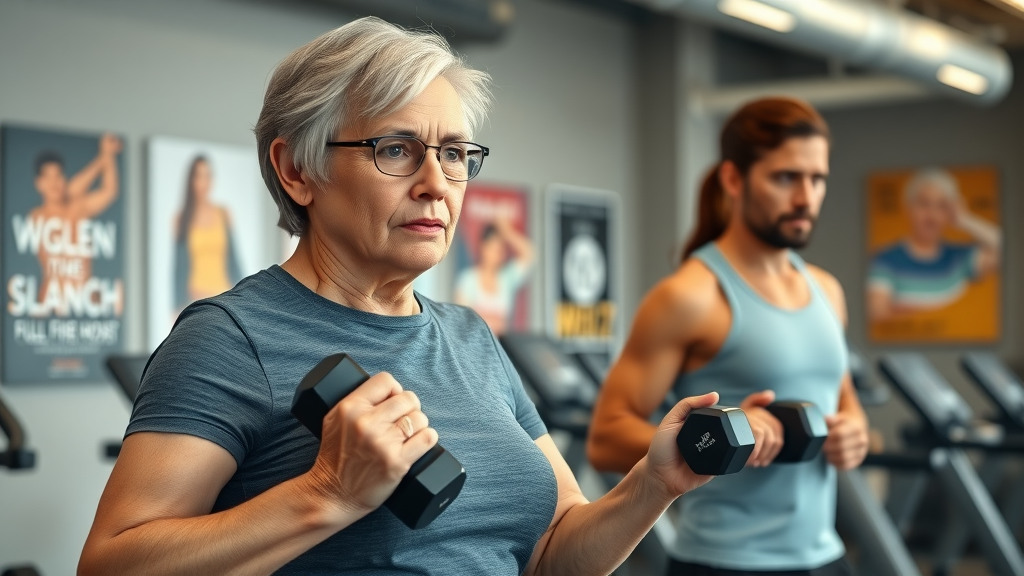
Setting up a Sustainable Senior Fitness Routine for Older Adults: Step-by-Step Exercise Program
Assessing Physical Readiness and Best Practices for Safety
- Tips on consulting healthcare providers, understanding limitations, and planning safe physical activity for older adults.
Before starting any new exercise program , it’s important for older adults to assess their physical readiness and prioritize safety. Consulting with a healthcare provider can help identify any chronic conditions, heart disease risk, or physical limitations that might require modifications to certain exercises. By understanding personal limitations, you minimize the risk of injury and ensure exercises for seniors are tailored to be safe and effective.
Best practices include starting slow, listening to the body’s signals, and integrating rest days into the routine. Using proper equipment—like supportive shoes, resistance bands, and handrails—reduces the risk of falls or strains. Safety also means recognizing the symptoms of overexertion: shortness of breath, severe discomfort, dizziness, or chest pain should lead to an immediate pause and consultation with a professional. A personalized approach unlocks the health benefits of senior fitness routines while maintaining confidence and comfort.
Creating a Balanced Exercise Program: Frequency, Intensity, and Types of Activity
| Fitness Level | Frequency | Activity Type | Intensity Activity Recommendation |
|---|---|---|---|
| Beginner | 3 days/week | Walking, Chair Exercises, Light Stretching | Low—start with 10–15 mins/session, focus on gentle movement |
| Intermediate | 4 days/week | Brisk Walking, Resistance Bands, Balance Exercises | Moderate—increase to 20–30 mins/session, include light strength activity |
| Advanced | 5–6 days/week | Walking/Jogging, Strength Training, Tai Chi, Aerobics | Moderate to Vigorous—include 30–45 mins/session, mix aerobic and strength |
A well-rounded exercise program for older adults means mixing activities that challenge different muscle groups and energy systems. Begin each week with light aerobic activity and progress—when comfortable—to more advanced intensity activity. Adjustments may be needed based on individual health, and it’s vital to include recovery and days off for rest. Tracking progress, whether in a notebook or an app, helps sustain momentum and gives a visible record of progress, which is especially motivating for older adults.
Warming Up and Cooling Down: Essential Range of Motion and Flexibility Practices
Every effective senior fitness routine begins and ends with proper warm-up and cool-down stretches. Gentle range of motion exercises prepare the muscles and joints for physical activity, reducing the risk of injury and supporting greater flexibility. Neck rolls, shoulder shrugs, ankle circles, and controlled arm swings are ideal for warming up; these increase blood flow and gradually elevate heart rate, ensuring a safe transition into more strenuous exercises.
The cool-down is equally important. Static stretching helps lengthen muscles after activity, relieves tension, and supports joint mobility, which is a cornerstone of healthy aging. Older adults should focus on areas that tend to be tight or prone to soreness—such as the upper back, hamstrings, calves, and wrists. Developing a consistent habit of warming up and cooling down ensures each exercise session supports comfort, safety, and long-term mobility.
Key Components of Senior Fitness Routines: Physical Activity Types Explained
Strength Training for Older Adults: Building Energy and Muscle
- Beginner and advanced strength training exercises for seniors, with focus on the upper back, arms, and legs.
Strength training is vital to counteracting muscle loss, which naturally occurs with age and can drastically impact energy, mobility, and safety. Effective exercises for seniors include resistance band routines, wall push-ups, squats or sit-to-stand movements, and light dumbbell work targeting the upper back, arms, and legs. These help build functional muscle strength—making everyday tasks like standing from a chair or lifting groceries easier and safer.
For beginners, chair-assisted squats, standing calf raises, and resistance band bicep curls provide accessible strength training options. As fitness and confidence grow, older adults can incorporate more advanced moves, such as step-ups, upright rows, or modified push-ups, always prioritizing perfect form over speed or heavy weights. The benefits extend beyond muscle—regular exercise improves bone density, metabolism, and overall resilience in the face of everyday challenges.
Cardio and Aerobic Intensity Activity: Boosting Endurance the Right Way
“Getting the heart rate up with safe, moderate activity increases stamina and supports heart health.” – American Heart Association
Aerobic activity —also known as cardio—forms the backbone of enduring energy and heart health for older adults. Activities like brisk walking, cycling, swimming, and even dance or low-impact aerobics safely elevate the heart rate, strengthen the cardiovascular system, and build stamina for daily living. Regular cardio reduces heart disease and improves mood and cognitive function, according to extensive research.
The key is to select activities that align with individual fitness and mobility levels. For example, starting with 10-minute walking sessions and gradually increasing duration and pace is effective for most people. More active older adults can challenge themselves with aqua aerobics, stationary cycling, or group classes that incorporate music and choreography. Always aim for a level where breathing quickens but conversation is still possible, ensuring the intensity activity remains safe and sustainable.
Balance Exercises for Seniors: Fall Prevention and Stability
- Sample balance routines and tai chi for older adults to maintain mobility and confidence.
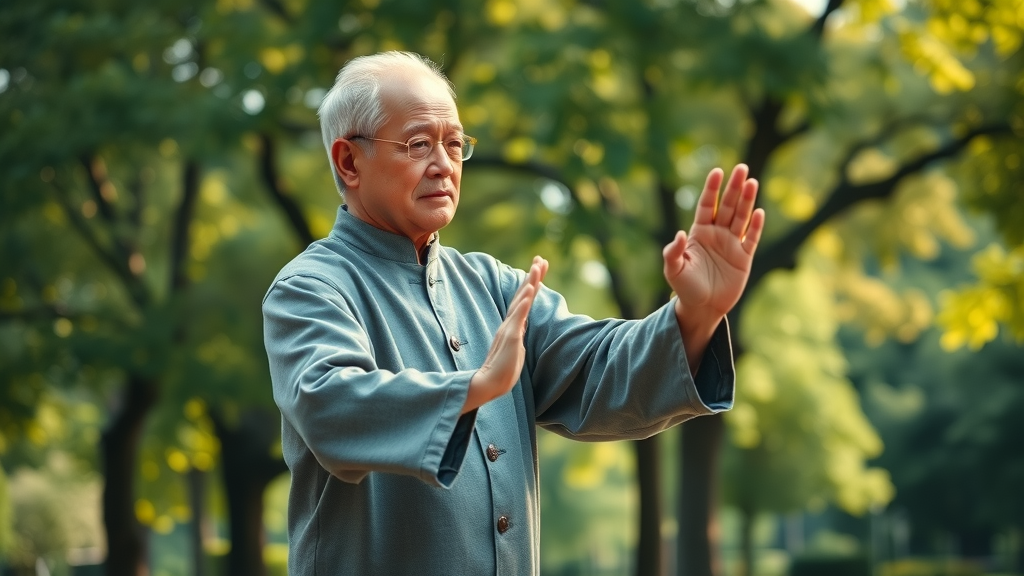
Falls are one of the leading causes of injury among older adults, so balance exercises are critical for both fall prevention and maintaining self-assurance in movement. Gentle routines like tai chi , heel-to-toe line walking, or standing on one foot can dramatically improve balance, coordination, and lower body strength.
Tai chi, in particular, is celebrated for its slow, deliberate movements and focus on breathing, making it accessible for a range of fitness levels and offering relaxation alongside stability. Even a few minutes each day can build neuromuscular connections that improve balance and confidence. Practicing these techniques consistently is invaluable for maintaining mobility and reducing the risk of falls as an older adult.
Using Range of Motion Exercises for Improved Flexibility
- Daily stretches and low-impact mobility exercises detailed.
Flexibility is often overlooked in older adult senior fitness routines , but it plays a key role in preventing injury and supporting ease of movement. Simple daily stretches, such as upper back rotations, hamstring stretches, and gentle twists, are essential to preserve range of motion and relieve tension caused by stiffness or inactivity.
Engaging in low-impact mobility routines—like yoga, Pilates, or targeted stretching—also assists in lubricating joints and maintaining circulation. Dedicating just 5–10 minutes each day to range of motion exercises supports independence and promotes fluid, pain-free movement. Flexibility training is the secret weapon for aging well and feeling younger, longer.
Sample Exercises for Seniors: Schedules, Techniques, and Adaptations
Top Five Exercises for Seniors That Boost Energy Fast
- Sit-to-Stand
- Wall Push-Ups
- Seated Marching
- Gentle Tai Chi Routine
- Upper Back Stretch
These top five exercises for seniors are designed for safety, accessibility, and quick results.
- Sit-to-Stand strengthens the legs and core, boosting muscle power for daily activities.
- Wall Push-Ups safely improve upper back and arm strength.
- Seated Marching enhances aerobic fitness and leg coordination without straining joints.
- Gentle Tai Chi Routine sharpens balance and encourages mindful movement.
- Upper Back Stretch relieves tension and promotes posture.
Adapting Senior Fitness Routines for Limited Mobility
- Chair-based activities and water aerobics included.
Not all older adults have the same mobility, but everyone can enjoy the health benefits of exercise for seniors . Chair-based strength training exercises—which include seated bicep curls, leg extensions, and chest presses with light weights or resistance bands—offer a safe solution for those with joint pain or restrictions. These movements target major muscle groups while providing stability and minimizing the risk of injury. Many community centers also offer seated group fitness classes tailored to varying abilities.
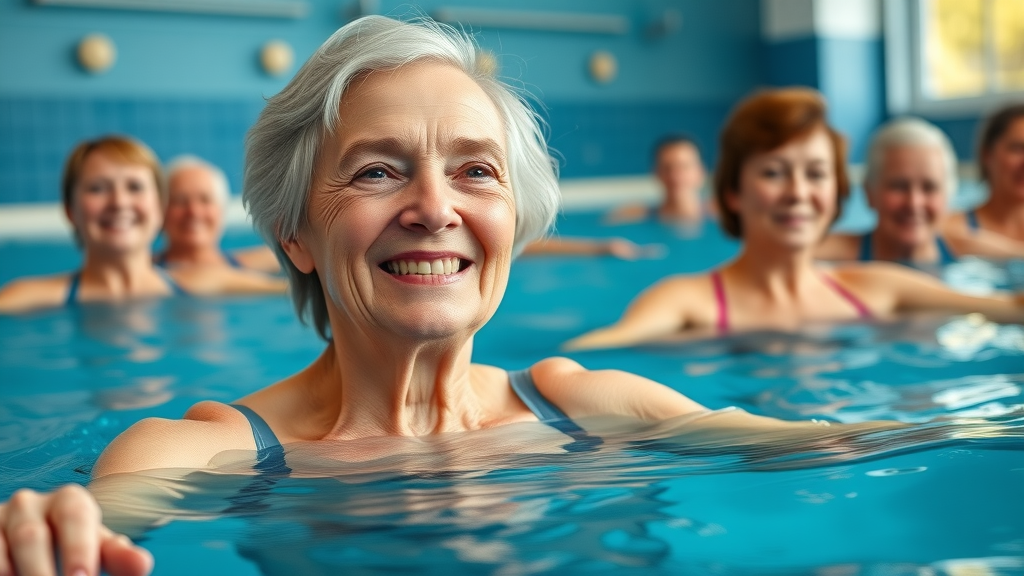
Water aerobics is another excellent option for limited mobility, as the buoyancy of water reduces joint stress and risk of falls. Gentle aqua jogging, pool-based stretching, or guided class routines help older adults maintain an active lifestyle in a supportive, social environment. Adapting a senior fitness routine to fit personal needs ensures everyone has a pathway to improved health and sustained energy.
Secrets to Sticking with Senior Fitness Routines: Motivation and Real-World Examples
Building Lasting Habits: Practical Tips for Older Adults
“Motivation gets you started. Habit keeps you going.” – Senior physical therapist
Consistency is key in turning senior fitness routines from a chore into a rewarding part of daily life. Start by scheduling your exercise program at the same time each day—right after breakfast or before evening television. Track your progress, celebrate small milestones, and don’t hesitate to reward yourself for commitment, whether with a healthy treat or a social outing. It’s not about perfection but building habits that support a healthier, more energetic you.
Involve family, friends, or neighbors for added accountability and encouragement. Group classes can provide a sense of community and inspiration, and support is essential for overcoming obstacles or periods of low motivation. If you miss a session, simply recommit the next day. Remember, even low-intensity activity completed consistently produces life-changing results for older adults.
Social Support, Group Classes, and Safe Environments for Exercise Programs
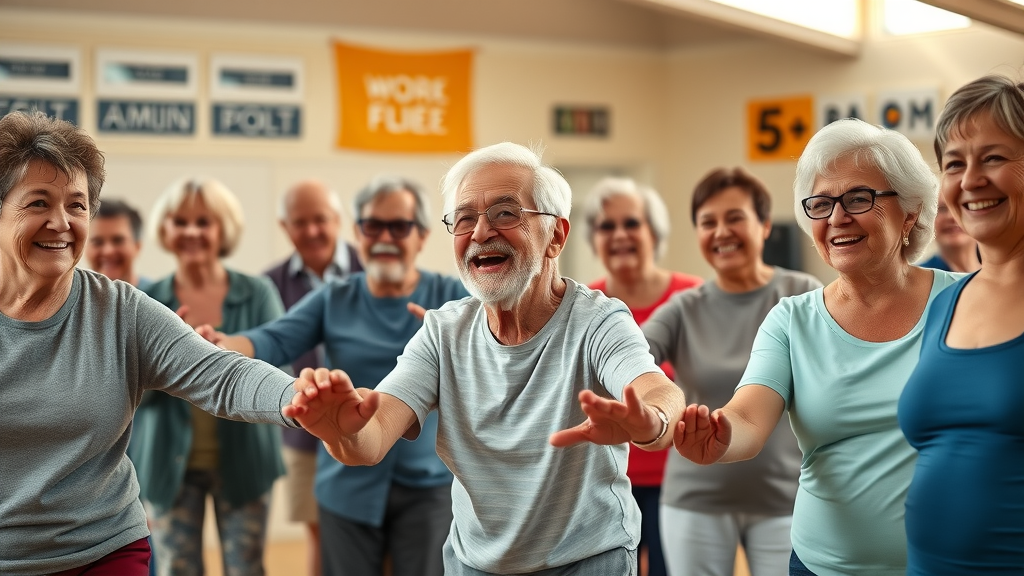
Social engagement is a powerful motivator in maintaining senior fitness routines . Many older adults find greater joy and consistency when participating in group classes—ranging from aqua aerobics and tai chi to strength training and dance. Exercising in a group not only provides expert instruction but also builds friendships, reduces feelings of isolation, and makes exercise feel more like a celebration than a task.
Choosing safe and senior-friendly environments is crucial. Look for facilities with supportive flooring, handrails, attentive staff, and accessible equipment suited for various mobility levels. Community centers, senior centers, and YMCAs across the country offer welcoming spaces for older adults to thrive. If group settings aren’t available, connecting virtually with friends or online classes can recreate the camaraderie and accountability vital for long-term success.
- Step-by-step visual guide to gentle balance, strength, and range of motion exercises for older adults.
A visual demonstration makes all the difference for beginners looking to start senior fitness routines safely. This beginner-friendly video walks you through basic balance moves, gentle strength training, and flexibility stretches—all performed by older adults and guided by certified trainers in a well-lit, safe environment. Watching real examples builds confidence and ensures every movement is executed with proper form and safety.
- Follow-along video focused on intensity activity, safe strength training, and flexibility for older adults at higher fitness levels.
For those with existing experience or those ready to go further, an advanced follow-along video demonstrates a higher intensity activity approach. You’ll see safe, vigorous strength training routines, aerobic exercises, and deeper flexibility work specifically designed for older adults accustomed to regular activity. These advanced exercises help to maximize muscle strength, sustain bone health, and raise daily vitality.
People Also Ask: Expert Answers About Senior Fitness Routines
What is the best fitness routine for seniors?
- A balanced routine focusing on strength, cardio, balance, and flexibility, adapted to the individual's health and mobility. Consult an exercise program tailored to older adults.
The most effective senior fitness routine is comprehensive, blending strength training , aerobic activity, balance exercises, and flexibility work. Customization based on personal health, limitations, and preferences is essential. Consulting professionals ensures a tailored plan that maximizes benefits and minimizes risk.
What is the 3-3-3 rule gym?
- Typically refers to completing three sets of three different exercises three times a week, adjusted to suit senior fitness routines.
The 3-3-3 rule is a simple structure: pick three exercises, perform three sets of each, and repeat three times a week. For seniors, this approach is adapted with low-impact movements and rest intervals for safety and sustainable progress—ideal for building lasting exercise habits in an older adult fitness regimen.
What is the AARP #1 exercise for seniors?
- Experts recommend walking as the top exercise for older adults, supporting physical activity, cardiovascular health, and mobility.
Walking is widely endorsed by the AARP and health professionals for its accessibility, safety, and whole-body health benefits. As a cornerstone of senior fitness routines , walking enhances cardiovascular health, boosts mood, and preserves independence for older adults at every fitness level.
What is the number one exercise for seniors?
- Walking and chair-based strength training are considered top choices for maintaining energy and independence in older adults.
Both walking and seated strength training exercises with resistance bands or light dumbbells are top recommendations from physical therapists and geriatric experts for older adults. These activities maintain muscle, joint health, and stamina, promoting a more energetic, active lifestyle at every age.
FAQs: Common Concerns About Senior Fitness Routines
- How much physical activity is safe? What are signs of overexertion? How to manage joint pain during exercises for senior health?
Older adults should aim for at least 150 minutes of moderate physical activity weekly, with adjustments for individual comfort and medical history. Signs of overexertion include shortness of breath, dizziness, chest pain, and joint soreness that doesn't resolve. To manage joint pain, use supportive shoes, choose low-impact activities, and incorporate range of motion stretches—consult your healthcare provider if pain persists.
Key Takeaways for Implementing Senior Fitness Routines
- 1. Prioritize a mix of strength, balance, flexibility, and cardio.
- 2. Individualize based on ability.
- 3. Even low-intensity activity can yield big health benefits.
- 4. Consistency is more important than intensity.
Senior Fitness Routines: Resources, Support, and Your Next Steps
- Download printable exercise program charts, find local group classes for older adults, and consult with certified trainers to start your senior fitness program today.
Ready to get started? Prioritize your energy, mobility, and well-being—explore local classes, download a beginner’s weekly schedule, or chat with a certified senior fitness trainer. The path to more vibrant living starts with one step—take it today!


Write A Comment