


Did you know that nearly 45% of retirees now supplement their fixed income with a side gig or part-time work? With rising living costs and limited Social Security benefits, more baby boomers and retirees are turning to practical retirement side hustles. Whether you want to earn extra cash, find a sense of purpose, or just enjoy a flexible job that fits your golden years, this comprehensive list ranks the best ways to make money, stay active, and thrive in retirement. Ready to transform your retirement into a time of both enjoyment and empowered financial freedom?
Unlocking Financial Freedom: Why Retirement Side Hustles Are Gaining Popularity
According to a 2024 survey by AARP, nearly 45% of retirees have embraced a retirement side hustle to maintain their standard of living and earn extra income.
- Key reasons retirees choose side hustles: rising living costs, limited Social Security benefits, desire for purpose, and flexible earning options
For today’s retirees, retirement side hustles aren’t just about earning extra cash—they’re about taking control over your financial future. Social Security benefits often don’t keep pace with inflation, leaving many seeking ways to make extra money. Side hustles for retirees offer the flexibility to work on your terms, from customer service gigs you can do at home to hands-on jobs like pet sitting, gardening, or driving for ride-sharing services.
Beyond finances, these side gigs help retirees stay mentally engaged and socially connected. Baby boomers especially value the chance to use their skills, spend time with others, and enjoy a deeper sense of purpose. Finding high-demand jobs you enjoy, whether through a small business or simply helping neighbors, can transform the way you experience your golden years.

Boosting Your Retirement Income: The Benefits of Starting a Retirement Side Hustle
- Increase extra cash flow without impacting Social Security benefits
- Stay mentally active in your golden years
- Opportunities to pursue lifelong passions or hobbies
- Flexible work-life balance
Launching a side hustle in retirement can quickly improve your bottom line. Unlike traditional jobs, retirement side hustles for retirees allow you to create income streams that flex around your schedule and suit your physical capabilities. For many, pet sitting or teaching a class is as much about enjoyment as it is about earning cash.
The best side gigs not only help you make money on your terms but also encourage mental sharpness and social interaction, both critical for a vibrant lifestyle during your golden years. The pursuit of extra income through creative or service-based hustles gives retirees confidence to cover unexpected expenses or simply enjoy life’s little luxuries without worry. Plus, with careful planning, you can boost your bank balance while keeping your Social Security benefits intact.
What You'll Discover About Retirement Side Hustles
- Top easy side hustles for retirees to start today
- Tips to maximize earnings and avoid impacting Social Security
- Common mistakes and how to avoid them
- Practical steps for launching your first retirement side gig
This guide offers actionable strategies and real-life inspiration for retirees aiming to explore side hustles. You’ll discover the best side hustles for retirees ranked by flexibility, potential earnings, and ease of entry. We’ll also share advice for tracking income, managing taxes, and staying compliant with Social Security Administration guidelines. If you're searching for ways to earn extra without stress, you'll find guidance to select, launch, and optimize a retirement side hustle tailored to your lifestyle.
Table: Comparison of Popular Retirement Side Hustles
| Side Hustle | Average Monthly Earnings | Flexibility | Start-Up Cost |
|---|---|---|---|
| Pet Sitting | $500+ | High | Low |
| Customer Service | $800+ | Medium | None |
| Tutoring | $600+ | High | None |
| Freelance Writing | $750+ | High | Low |
| Ride-sharing | $450+ | Medium | Medium |
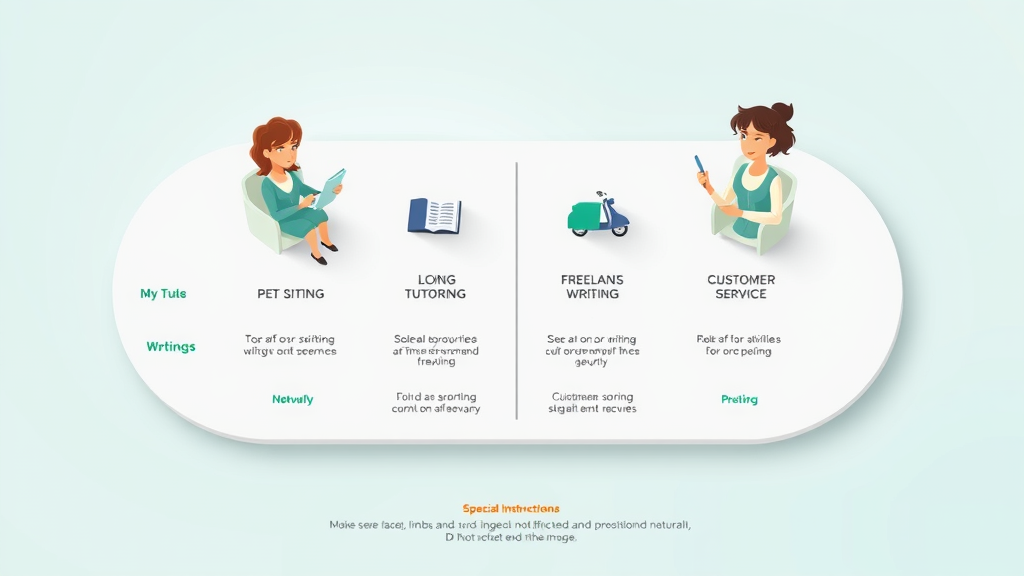
Top 15 Retirement Side Hustles for Earning Extra Money in Your Golden Years
1. Pet Sitting: A Retirement Side Hustle for Animal Lovers
- Flexible hours and low start-up costs
- Potential to earn extra income with multiple clients
Pet sitting is a top choice among side hustles for retirees because it lets you earn extra cash, spend time with friendly animals, and keep a flexible schedule. Platforms like Rover make it easy to start as a pet sitter with little investment—just a love for animals and a safe home. Rates can add up quickly, especially if you book several pets at once, making it one of the most enjoyable and high-demand ways to make money in retirement.
2. Online Tutoring: Share Your Expertise and Make Extra Money
- No experience required in some platforms
- Support students in subjects you love
With decades of knowledge to share, retirees excel as online tutors. Tutoring is a side gig that lets you set your own hours and connect with students worldwide on topics from math to music. Sites like VIPKid and Wyzant streamline the process, and you can earn extra money without leaving home. Even without formal teaching experience, many platforms value life and work expertise, making online tutoring a superb choice for earning extra in your golden years.
3. Virtual Customer Service: A Convenient Retirement Side Hustle from Home
- Steady work and regular pay
- Helps boost extra cash flow in retirement
Many companies hire retirees for customer service roles you can do from your living room. If you have good communication skills and enjoy problem-solving, this high-demand side hustle offers consistent pay and benefits. The work is predictable and usually involves flexible shifts, permitting you to control your workload. It's a rewarding way to make extra income and stay engaged with others—often with no commute required.

4. Freelance Writing: The Creative Side Gig for Retirees
- Set your own hours in your golden years
- Topics range from finance to hobbies
Freelance writing is a perfect fit for retirees with a way with words or expertise in a field. Writing articles, blogs, or even short stories enables you to work as much—or as little—as you like. Popular platforms like Upwork, Medium, and Fiverr connect you with paying clients. It's an ideal side hustle for retirees to earn extra while flexing your creative muscles and sharing a lifetime’s worth of insight.
5. Consulting: Monetize Years of Experience for Extra Income
- Tap into your professional network
- Lucrative and flexible
Consulting is an excellent way to monetize your specialized experience in retirement. By sharing what you know with small businesses or younger professionals, you keep your skills sharp and your network active. Consulting gigs often pay well, offer flexible terms, and can be conducted in-person or online. It's a dignified way to stay engaged in your field and enjoy both financial rewards and a sense of purpose.
6. Handyman Services: An In-Demand Hustle for Retirees
- Make extra money helping neighbors and friends
- No degree required—just practical know-how
If you’re handy with tools or repairs, providing handyman services is a great way to make money in retirement. Many communities face a shortage of reliable fix-it professionals, creating ample opportunities for retirees to help neighbors with odd jobs, small home repairs, or yard work. This high-demand side gig is practical, social, and can be tailored to your preferred workload and skills.
7. Ride-Sharing Driver: Flexible Retirement Side Gig for Extra Cash
- Drive on your schedule
- Meet new people while earning extra cash
Companies like Uber and Lyft have opened doors for retirees wishing to be their own boss and work when it suits them. As a ride-sharing driver, you gain extra income , engage with your community, and set your own hours. This side hustle is best for retirees who enjoy driving, have a friendly attitude, and want the chance to discover new stories and friendships along the way.

8. House Sitting: Earn Extra and Explore New Places
- Secure and low-effort side hustle
House sitting provides retirees with free accommodations, extra money, and sometimes even the chance to travel. This side hustle often involves simple tasks like collecting mail or watering plants while property owners are away. It’s a smart, low-stress gig that can complement travel goals and open doors to new experiences, all while earning extra in your golden years.
9. Crafting or Selling Handmade Goods for Supplemental Income
- Sell on platforms like Etsy
- Turn a hobby into a profitable venture
If you love crafts, consider selling handmade goods as a source of extra income . Platforms like Etsy, eBay, or local markets make it easy to reach buyers looking for unique gifts. This creative side hustle for retirees is perfect for those seeking a flexible, enjoyable way to turn hobbies like knitting, woodworking, or jewelry making into a small business.
10. Gardening Services: A Retirement Side Hustle for Outdoor Lovers
- Work seasonally or year-round
- Earn extra income beautifying landscapes
If you have a green thumb, offering gardening or landscaping help is a wonderful way to spend time outdoors and make extra cash. Retirement age is no barrier—many clients appreciate experienced gardeners to help with planting, pruning, or design. This side hustle supports a healthy lifestyle while supplementing your Social Security benefits and can be as flexible or as steady as you like.

11. Personal Shopping or Errand Services: Support Your Community and Earn Extra Cash
- Grocery delivery, prescription pick-ups, and more
- Ideal for retirees seeking flexible schedules
Become an invaluable part of your community by running errands or offering personal shopping for those with busy schedules or mobility challenges. Apps like Instacart and TaskRabbit make it easy to connect with clients in need. This flexible job is ideal if you want to earn extra cash and stay active without rigid commitments, making it a rewarding side gig in retirement.
12. Bookkeeping or Tax Prep: Use Your Skills as a Side Hustle for Retirees
- Seasonal peak during tax time
- Ideal for detail-oriented retirees
If you have an eye for detail and some financial know-how, bookkeeping or seasonal tax prep offers a reliable way to make extra income. Many small businesses and individuals seek trusted help during tax season, so this is a high-demand side hustle with the potential for recurring clients. Best of all, it can usually be done on your own schedule, often from the comfort of your home.
13. Tour Guide: Share Your City as a Fun Side Gig for Retirees
- Engage with visitors and locals
- Leverage historical or cultural knowledge
Love sharing stories or showing off your hometown? As a tour guide, you’ll meet travelers and residents, share local history, and make extra money. This hands-on side hustle for retirees is perfect for outgoing personalities and can range from historical walks to food tastings. It’s a rewarding way to capitalize on your city pride while earning extra during your golden years.

14. Event Planning Assistance: Earn Extra Helping with Celebrations
- Coordinate birthdays, weddings, and community events
- Good for retirees with organizational skills
If you’re organized and love bringing people together, event planning assistance is a high-energy way to earn extra . Help others prepare for birthdays, weddings, or neighborhood gatherings. This side gig can be as hands-on as you like and often draws on years of life experience, making it a particularly meaningful and satisfying hustle for retirees.
15. Teaching Classes: Monetize Talents in Your Golden Years
- Cooking, art, music, and more
- In-person or online opportunities
Teaching lets retirees turn hobbies—like cooking, crafts, or music—into a fun source of income. Classes can be local, online via sites like Udemy, or hosted in community centers. Whether you teach one-on-one or in groups, this side hustle provides connection, purpose, and extra income while leveraging your passions and years of expertise.

A heartwarming look at retirees in action: from pet sitting to gardening and teaching, discover first-hand stories and inspiration for your own retirement side hustle journey.
Watch this short guide for the essential steps to launch your first retirement side hustle—no stress, no overwhelm, just practical, friendly advice for earning extra in your golden years!
How Retirement Side Hustles Affect Your Social Security Benefits
- Understand annual earnings limits and their impact on Social Security benefits
- Consult a tax professional to avoid income surprises
Before you start making extra money through retirement side hustles, it’s crucial to understand Social Security rules. Earning above a certain threshold before reaching full retirement age ( as set by the Social Security Administration ) can temporarily reduce your monthly payments. These reductions, however, are often adjusted later, so the impact is not permanent. To safeguard your Social Security benefits, track your income carefully and discuss your plans with a tax or financial adviser who can help you navigate annual limits, deductions, and state-specific tax rules.

How to Make the Most Out of Your Retirement Side Hustle
- Set realistic financial goals before starting any side gig
- Track all income and expenses for tax purposes
- Prioritize hustles compatible with your energy and lifestyle
To maximize the rewards from your side hustles, align each gig with your unique skills, interests, and stamina. Start with 1–2 side gigs and track how much you enjoy the work, as well as how it fits into your daily routine. Be vigilant with income and expense tracking for IRS compliance and to avoid any Social Security surprises. Regularly reassess your goals and switch gigs as needed to keep your work enjoyable and beneficial.
50+ Easy Side Hustles for Retirees: A Quick-Reference List
- Pet sitting
- Online surveys
- Tutoring
- Rental management
- Handicrafts
- Babysitting
- Yard work
- Translation
- Customer service
- Bookkeeping
- Music lessons
- Blogging
- Consulting
- Reselling vintage items
- Photography
- Proofreading
- Gardening
- Ride-sharing
- Delivery services
- Cooking classes
- Social media management
- Tax preparation
- House cleaning
- Virtual assistant
- Freelance editing
- Running errands
- Tour guiding
- Event planning
- Fitness coaching
- Personal shopping
- Senior companion services
- Dog walking
- Tech support
- Craft sales
- Online moderation
- Mentoring
- Genealogy research
- eBay selling
- Affiliate marketing
- Dropshipping
- Stock photography
- Mystery shopping
- Writing eBooks
- Podcasting
- Garage sale flipping
- Antique appraisal
- Voice narration
- Art sales
- Online courses
- Mobile notary
This quick list highlights just how many flexible, enjoyable options are available for retirees looking to boost their income with a side hustle tailored to any interest or ability level.
Expert Quotes on Retirement Side Hustles
"The right side hustle in retirement can add a sense of purpose and supplement your income without jeopardizing your Social Security benefits." – Carol Peterson, Certified Financial Planner
Common Mistakes to Avoid When Starting Retirement Side Hustles
- Overestimating income potential—start small and scale up
- Failing to research tax and Social Security implications
- Ignoring physical limitations when selecting a hustle
- Choosing work that adds stress instead of flexibility
As you explore retirement side hustles, remember to be realistic about earnings and workload. Many retirees jump in expecting fast profits but overlook hidden costs or paperwork. Research how each side gig will affect your Social Security benefits and tax profile. Most importantly, choose gigs that fit your physical capacity and lifestyle—retirement is for enjoying life, not adding unnecessary stress.
Frequently Asked Questions About Retirement Side Hustles
What is the $1000 a month rule for retirement?
The $1000 a month rule is a basic guideline suggesting retirees aim to generate at least $1,000 per month in supplemental income to help cover living expenses beyond Social Security and pensions. Achieving this may require a mix of side hustles, part-time work, or passive income sources, providing a financial cushion for unforeseen needs.
What is the 7% rule for retirement?
The 7% rule refers to a withdrawal strategy where retirees aim to withdraw no more than 7% of their total retirement savings annually. By sticking to this guideline, retirees can potentially preserve their nest egg longer, especially when combined with steady income from retirement side hustles. Always consult a financial planner before adopting any withdrawal rule.
How to make $1000 a month in retirement?
Earning $1,000 per month in retirement is achievable through a combination of side hustles. Examples include pet sitting, online tutoring, ride-sharing, freelance writing, or customer service gigs. Diversifying several part-time opportunities or focusing on high-demand services lets many retirees meet or exceed this target, often while maintaining flexibility.
How to live on $2000 a month in retirement?
To live comfortably on $2,000 a month in retirement, focus on budget management and supplementing your fixed income with extra cash from side gigs. Key strategies include reducing non-essential expenses, relocating to a lower-cost area, and taking up easy side hustles that fit your lifestyle, such as gardening, tutoring, or delivery work.
Take the First Step on Your Retirement Side Hustle Journey
- Identify 2–3 appealing retirement side hustles to try
- Tap into online resources and local networks
- Remember: The best time to start boosting your income in retirement is today. Explore your options and enjoy your golden years with confidence and extra cash flow!
Start small, try something new, and transform your retirement with purposeful side gigs that add joy, connection, and extra income to your golden years.


Write A Comment