
Add Row
Add Element
cropper
update
Bay Retirement Guide
update
Add Element
  • Home
  • Categories
    • Real Estate
    • Health Tips
    • Community Buzz
    • Financial Planning
    • Lifestyle Hacks
    • Family Ties
    • Tech Savvy
  • Travel
August 26.2025
3 Minutes Read

Navigating Male Menopause: Essential Signs and Strategies for Retirees

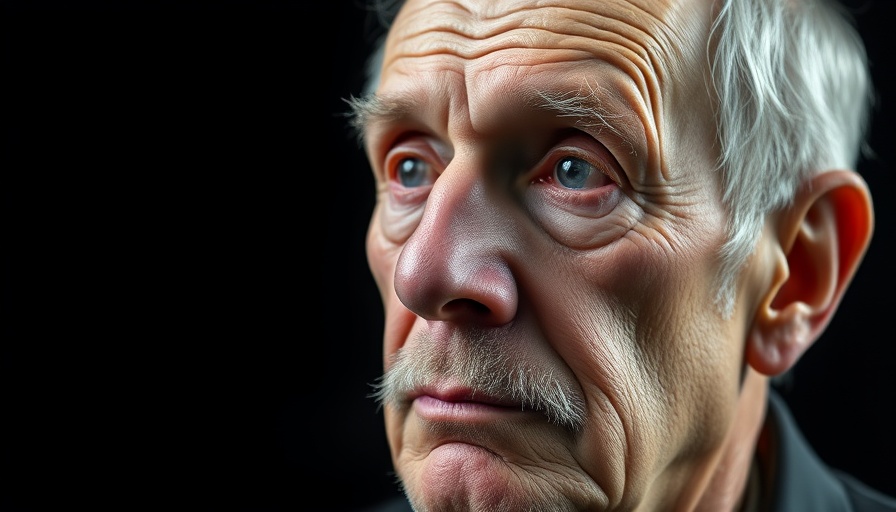
Thoughtful elderly man profile, male menopause signs and solutions.

Understanding Male Menopause: A Natural Phase of Life

Male menopause, often referred to as andropause, is a significant, yet frequently overlooked aspect of aging, particularly for retirees. As men reach their 40s and beyond, they may experience various hormonal shifts, primarily a decline in testosterone, a vital hormone responsible for numerous bodily functions including muscle mass, energy levels, and libido.

This gradual decline can begin subtly, affecting different men in various ways. For some, these changes can precipitate noticeable shifts in energy, mood, and overall health. Understanding and addressing male menopause is critical for enhancing quality of life as men age, especially during retirement when lifestyle changes are more pronounced.

Recognising the Symptoms: What to Look For

Awareness is a powerful tool. Identifying the signs of male menopause early on can significantly impact a retiree's ability to manage their symptoms effectively. Here are some key symptoms to watch for:

  • Fatigue and Low Energy: Persistent tiredness, even after getting enough rest, is a common complaint. Routine activities that once felt manageable may become exhausting, prompting many to withdraw from social circles or neglect physical activity.
  • Decreased Libido: A decline in sexual desire and functionality can impact intimate relationships and self-esteem. Many men may find it challenging to discuss these changes, often viewing them as an unavoidable aspect of aging.
  • Mood Fluctuations: Mood swings, irritability, and increased anxiety are not uncommon and can often be misconstrued as normal aging. Recognising these shifts as hormonal rather than just emotional can help in seeking appropriate support.
  • Loss of Muscle and Increased Fat: As testosterone levels drop, so does muscle mass, often replacing it with increased body fat. Regular monitoring of body composition can aid in proactive management of one’s physical health.
  • Bone Density Issues: Lower testosterone levels can lead to a decrease in bone density, which may lead to osteoporosis—an important consideration for men as they age and become more prone to fractures.
  • Cognitive Changes: Mental clarity may decline, leaving some men feeling forgetful or unable to concentrate, which can further exacerbate feelings of frustration or depression.

Taking Action: Natural Strategies for Management

Although male menopause is a natural process, there are practical and effective lifestyle changes that retirees can adopt to alleviate its effects. Here are some actionable insights that promote well-being:

  • Incorporate Regular Exercise: Engaging in regular physical activity is crucial. A mix of aerobic exercises and strength training not only combats muscle decay but also boosts mood and enhances energy levels. Retirees are encouraged to aim for at least 150 minutes of moderate exercise weekly, along with resistance training 2-3 times per week.
  • Focus on Nutrition: A balanced diet, rich in nutrients, can positively influence hormonal health. Foods high in lean proteins, healthy fats, and plenty of fruits and vegetables support the body’s nutritional needs during this period.
  • Practice Stress Reduction Techniques: Incorporating mindfulness practices such as meditation, yoga, or even simple breathing exercises can help manage stress and improve emotional well-being—beneficial for both mental and physical health.
  • Seek Professional Guidance: Don’t hesitate to discuss symptoms with healthcare professionals. They can provide tailored advice, whether through hormone therapies, counseling, or referrals to nutritionists.

Creating Connections: The Importance of Communication

Recognizing and addressing male menopause necessitates open conversations among men and their families. Emotional health is as important as physical health, and initiating discussions about these changes can alleviate feelings of isolation. Many men assume they must face these struggles alone, but connecting with peers or support groups can offer reassurance and shared insights.

As friends and loved ones notice a change, they should create a supportive environment that encourages dialogue, fostering a sense of camaraderie. In doing so, the stigma surrounding male menopause may lessen, leading to better-informed choices and healthier aging processes.

Looking Ahead: The Future of Male Menopause Awareness

Raising awareness about male menopause is essential, not only for individual men but for society. By promoting education and understanding, we can foster a supportive space that tackles misconceptions associated with aging male health. Incorporating these insights into retirement planning may empower men to embrace this natural transition positively and proactively.

Your Next Steps: Empowering Yourself

Knowing the signs and solutions for managing male menopause enables retirees to take charge of their health—empowering them to truly enjoy this significant life stage. Embrace your health by seeking information, participating in open discussions, and implementing these actionable strategies. Your future self will thank you.

Lifestyle Hacks

2 Views

0 Comments

Write A Comment

*
*
Related Posts All Posts
12.06.2025

Must-Know Hiking Gear for Senior Adventures in Nature

Update Discovering the Great Outdoors: A Senior's Guide to Hiking As the sun rises and the crisp mountain air beckons, hiking becomes an invitation for seniors to reconnect with nature, enhance their well-being, and embrace an adventurous spirit. With the right preparation and gear, exploring the trails can be both enjoyable and safe, making it an ideal pastime for those in their golden years. Choosing the Right Gear for Comfort and Safety Investing in quality equipment tailored for seniors can make all the difference. Start with supportive footwear that minimizes foot discomfort. Look for hiking shoes or boots that offer cushioning, excellent traction, and adequate ankle support to prevent slips and injuries. Pair these with adjustable trekking poles, which contribute significantly to stability, distributing weight and reducing the impact on the knees and hips by up to 25%—a significant consideration as we age. Stay Hydrated: The Key to a Successful Hike Staying hydrated is essential, especially for older hikers. Carry a hands-free hydration bladder or ensure you have at least 2-3 liters of water in bottles. Complement hydration with snacks that provide energy—think nuts, energy bars, or fruits. These not only stabilize blood sugar levels but also prevent fatigue or dizziness during your adventures. Essential Navigation and Emergency Tools When heading into the wilderness, it’s important to be prepared for any situation. Equip yourself with a physical map, compass, and a fully charged cell phone protected by a waterproof case. A basic first-aid kit should include blister treatments and necessary prescription medications. Remember to carry a whistle for signaling in emergencies, a headlamp for visibility, and a multi-tool for any unforeseen circumstances. Dress for the Conditions: Layering is Key Hikers need to be ready for changing weather. Opt for moisture-wicking base layers and insulating mid-layers under a waterproof jacket. Accessories like wide-brimmed hats and high-SPF sunscreen shield you against harmful UV rays. Quick-dry fabrics will help prevent chafing—keeping you comfortable regardless of whether you're facing sunshine, wind, or a sudden rain shower. First Aid: Be Prepared for the Unexpected Every hiking kit should include a compact first-aid kit equipped with essential items such as antiseptic wipes, pain relievers, and supplies for treating blisters. Personalize your kit based on your health needs—don't forget any allergy medications or glucose tabs tailored for common senior vulnerabilities. Plan Your Hiking Trail Wisely Research suitable trails that consider your fitness level, balance, and mobility before hitting the path. There are numerous trails designed for senior hikers, from gentle strolls through local parks to scenic routes that gradually increase in difficulty. Always check for trail reviews and maps before your adventure, ensuring that you have a clear vision of what's to come. The Benefits of Hiking: Beyond Physical Health Hiking is not just about physical benefits; it’s also an emotional rejuvenation process. Engaging with nature can significantly lower stress, improve mood, and enhance overall happiness. Regular hiking helps nurture a sense of independence, inspiring confidence and a joy for life. Each hike completed is a testament to personal strength and a step towards a more vibrant lifestyle. Make the Experience Enjoyable and Fun! Finally, it's essential to enjoy the journey. Hiking with a partner or a local group can enhance the experience—sharing encounters with wildlife, breathtaking views, and delightful conversations makes every step worthwhile. Remember, every trail has its beauty—embrace the moments and make memories that enrich your life. With the right planning and approach, hiking can be an incredibly rewarding adventure for seniors. Take the plunge—step outdoors and discover the beauty that awaits! Start planning your next hiking adventure and remember, with each stride, you’re not just hiking but investing in your health and happiness.

12.05.2025

Cultivating Calm: How Small Daily Rituals Can Manage Stress for Retirees

Update Finding Serenity: The Power of Daily Rituals In today’s fast-paced world, stress often accumulates silently, manifesting from everyday decisions and minor worries that never quite fade away. This is especially true for retirees who may find themselves navigating the complexities of post-career life while striving to maintain their well-being. Fortunately, managing stress doesn’t necessitate sweeping changes; the answer often lies in cultivating small, meaningful daily rituals. Savoring Simple Moments Imagine starting your day with a moment of quiet introspection, a practice as simple as sitting with your morning tea without distractions. This gentle pause can slow down the racing mind, setting a relaxed tone that can influence the rest of the day. Even dedicating just five minutes to this ritual can significantly enhance your mood and sense of control over life’s demands. The Importance of Movement for the Mind and Body Physical movement can also act as a powerful stress reliever. A brief stretch after waking or a leisurely walk later in the day provides not only physical relief but also reconnects you with your body. This isn’t about fitness or exercise; rather, it’s about promoting movement that feels good and invigorates your spirit. Seth J. Gillihan, a psychologist, emphasizes that even small amounts of physical activity in the morning can positively set the tone for the day ahead. Crafting Evening Rituals for Better Sleep Evening routines hold transformative potential. As you wind down, consider dimming the lights and playing soft music or indulging in a few pages of a captivating book. These calming actions signal to your body that it’s time to transition to rest, helping promote better sleep quality. Creating a harmonious evening environment can often make all the difference in how refreshed you feel in the morning. Grounding Practices Amid Chaos In uncertain times, daily rituals serve as stabilizing anchors. Simple habits—like journaling, tending to plants, or practicing gratitude—offer grounding in the present moment. They remind us of our capacity to foster tranquility, even when external circumstances feel turbulent. Retirees often experience a shift in personal identity, and embracing these small acts can mitigate adjustments to new life stages. Consistency is Key What matters most is not the complexity of the ritual but the consistency with which you practice it. Choose rituals that resonate with you personally and offer joy, gradually integrating them into your daily life. Over time, these small acts can help you remain grounded, calm, and resilient in facing stressors. Knowing When to Seek Additional Support While daily rituals are effective for managing stress, it’s also essential to recognize when stress becomes overwhelming. Creating a structured plan, as suggested by Gillihan, helps in organizing time for stress management activities. Regular check-ins with your mental state can illuminate when you might need professional support or additional resources. The Bigger Picture Looking beyond individual practices, the cultivation of daily rituals resonates with broader themes of age, mental health, and wellness. By nurturing these small acts, retirees can foster a sense of agency and control over their well-being in their second chapter of life. Remember that the journey to stress management is personal; it doesn't have to be perfect, just consistent. As you explore stress management techniques, why not begin introducing these daily rituals into your own life? Engage with them, adapt as needed, and observe the positive impacts on your overall wellness.

12.02.2025

Enhance Your Quality of Life: Gentle Exercises for Balance and Flexibility

Update Why Balance and Flexibility Matter as We Age As we grow older, staying steady on our feet becomes increasingly vital. Research shows that falls are the leading cause of injury-related deaths among seniors. This underlines the importance of enhancing our balance and flexibility, and the good news is you don’t need to dedicate hours at the gym to achieve this. Simple and gentle exercises, which can be done at home or in your backyard, can lead to significant improvements in your physical stability. Gentle Exercises to Get You Started Initially, light stretching is a fantastic way to ease into improving balance and flexibility. Simple motions such as reaching your arms overhead or rolling your shoulders can alleviate stiffness and create a sense of openness in your body. These small stretches are not only beneficial but can also be seamlessly integrated into your daily routine, making them both practical and effective. Consider doing these stretches first thing in the morning to set a peaceful tone for your day, or as a part of your winding down routine before bed to release the tension you may have accumulated. Alongside stretching, basic balance exercises should not be overlooked. Start by lifting one foot off the ground while standing near a wall or sturdy surface for support. This exercise may cause some initial wobbling, which is entirely normal. The key takeaway is that progression comes with practice, and over time, you will find yourself able to hold the position longer. Incorporating Tai Chi and Yoga for Wider Benefits For those who prefer exercises that flow with graceful movements, tai chi or beginner-friendly yoga can make wonderful additions to your exercise repertoire. Both disciplines emphasize slow, controlled movements, which improve balance while simultaneously enhancing relaxation through mindful breathing. They are excellent, low-impact options that cater to varied fitness levels—making them especially popular among retirees looking for gentle yet effective forms of exercise. Utilizing Resources for Progress Seeking out resources online or in your community can greatly enhance your exercise experience. Websites and platforms related to senior fitness offer guided classes and instructional videos that make integrating these exercises into your routine even easier. Local senior centers often provide classes tailored to various fitness levels in a supportive group environment. Engaging with a community can help you stay motivated and remind you that you’re not alone on this journey. Future Predictions: Where Balance Training is Heading Looking ahead, the importance of balance and flexibility exercises for older adults is projected to grow in prominence. As the population ages, there is a clear need for effective fall prevention strategies. Expect more digital innovations such as fitness applications and remote coaching services tailored specifically to older adults, assisting them in maintaining their autonomy and quality of life. Empowering Yourself Through Knowledge and Practice To maximize the benefits of these exercises, remember that consistency is key. Spending just a few minutes each day focusing on your movement can yield noticeable improvements in your stability and flexibility. As Lily Thompson emphasizes in her engaging articles, it's all about finding what resonates with your body and lifestyle. Call to Action: Take the First Step Towards a Healthier You If you haven't already, start incorporating some gentle exercises into your daily routine today. Whether it's simple stretches or light balance activities, making room for these practices can profoundly affect your quality of life as you age. Celebrate every small win and remember that every movement counts in nurturing a healthier, happier you.

Terms of Service

Privacy Policy

Core Modal Title

Sorry, no results found

You Might Find These Articles Interesting

T
Please Check Your Email
We Will Be Following Up Shortly
*
*
*