
Add Row
Add Element
cropper
update
Bay Retirement Guide
update
Add Element
  • Home
  • Categories
    • Real Estate
    • Health Tips
    • Community Buzz
    • Financial Planning
    • Lifestyle Hacks
    • Family Ties
    • Tech Savvy
  • Travel
August 06.2025
3 Minutes Read

Expert Tips on Organising Your Life When Things Slow Down

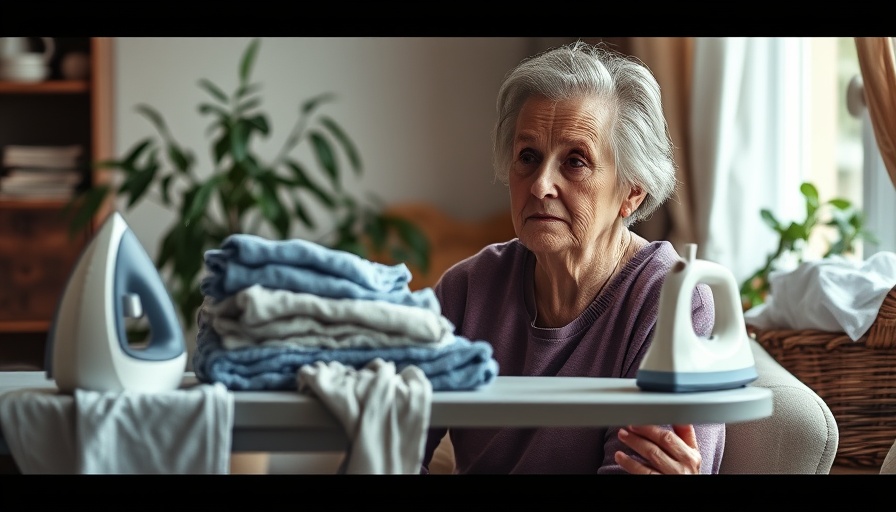
Elderly woman organizing clothes, reflecting on life, cozy home setting.

Embracing a Slower Pace: The Importance of Organisation

In a world that often glorifies busyness, many retirees find themselves enjoying the luxury of time. With life moving at a slower speed, there’s an opportunity to breathe, reflect, and, most importantly, organise. While it might be tempting to let routines slip, embracing this slower pace can facilitate deeper connections with oneself and loved ones. A clear and calming environment is essential to nurturing that joy and peace.

Creating a Flexible Daily Routine

When life slows down, one of the first steps towards organisation is establishing a flexible daily routine. This doesn’t have to be a rigid schedule filled with back-to-back activities; rather, think of it as a gentle framework for your day. Perhaps it starts with a leisurely cup of tea in the morning, a short walk around the neighborhood, and then dedicating time to tidy up different rooms in your home. Having a structure helps you maintain a sense of purpose and can make your home feel more inviting and comfortable.

The Power of Lists: Staying on Top of Tasks

Lists are not just for busy professionals; they can play a pivotal role in a well-ordered life at any age. Use a small notebook or a note-taking app on your phone to jot down important tasks or reminders. This could range from coordinating a lunch with friends to paying off bills. The gratifying experience of crossing items off your list can create a sense of achievement and keep important tasks from slipping through the cracks.

Declutter One Small Zone at a Time

Instead of diving into a massive organisation project, tackle one small area at a time. Focus your efforts on a single drawer, a closet, or even a ROOM. This method prevents overwhelm and allows you to celebrate little victories along the way. By breaking projects into manageable steps, you maintain motivation and see progress quickly.

Digital Decluttering: Creating an Organized Virtual Space

Don't forget about your digital space! In today’s tech-driven world, a cluttered virtual space can be just as distracting as a messy room. Dedicate minutes each week to declutter your digital life. This includes deleting old emails, organising photos, and updating contact lists on your phone and computer. A tidier device can lead to clearer thinking and improved focus.

Incorporating Joy Into Your Organisation Strategy

While staying organised is essential, it should never overshadow the joy in your life. Create space, both physically and mentally, for the activities that genuinely make you happy. Whether that means planting a small garden, reading your favourite book, or spending time outdoors, nurturing your passions will enhance your overall sense of wellbeing.

Future Insights: The New Normal of Relaxed Organisation

As society shift gears into a more balanced rhythm, the need for organised methods in our daily lives will only grow. Understanding how to motivate oneself during quieter times is more relevant now than ever. Future trends may usher in a new wave of innovative simple planning tools specifically designed for retirees, highlighting ease over obligation. Anticipating these changes can empower individuals to build lives that are fulfilling, stress-free, and well-organised.

Tools for Success: Practical Organisation Solutions

When it comes to organisation, various tools and resources can lend a hand. Consider investing in planners designed with simplicity and ease in mind. Many modern apps provide seamless ways to track tasks, manage schedules, and even set reminders. Websites and online communities can serve as excellent resources for tips and support from other retirees who are navigating similar paths.

Common Misconceptions: Letting Organisation Dictate Life

One common misconception about organisation is that it requires an overpowering commitment or excessive planning. In reality, it’s about finding a rhythm that works for you without overwhelming yourself with rules. Organisation is less about strictness and more about creating comfort and ease within your home and life.

Conclusion: Step Towards a More Organised Life

As you move through this season of life, remember that staying organised brings a sense of calm and control, even as the world outside changes. Implement these strategies at your own pace, allowing time for the things you love amidst the tasks at hand. With a few practical steps toward organisation, you can enhance your lifestyle, enriching your experience with more clarity and joy at every turn.

Lifestyle Hacks

1 Views

0 Comments

Write A Comment

*
*
Related Posts All Posts
02.20.2026

Effortless Laundry Tips for Seniors: Say Goodbye to Back Pain

Update Rethinking Laundry: Empowering Seniors Through Smart StrategiesLaundry day doesn’t have to be a strain on your back. For retirees grappling with arthritis or general wear and tear, effective approaches can turn this mundane task into a more manageable endeavor. Adapting your laundry routine with a few senior-friendly tweaks can significantly reduce discomfort, keeping independence intact.Top Pain-Free Laundry Hacks for SeniorsFor seniors, bending down, lifting wet clothes, or even reaching into the washing machine can lead to back pain. To mitigate these issues, it's important to reevaluate your laundry setup. Adjusting your environment can result in a reduction of strain by nearly 50%. Elevate Your Laundry StationAdjusting the height of your laundry baskets and machines can make a significant difference. Ideally, machines should be positioned at waist level. If that’s not possible, utilize rolling carts to transport laundry. This eliminates the need for deep bends or awkward lifting, allowing you to keep loads light.Choosing the Right Washing Machine: Front-Loaders vs. Top-LoadersIf you’re considering a new washing machine, a front-loader allows you to load and unload at waist height, greatly reducing upper body strain. However, if switching isn’t an option, a top-loader can still be senior-friendly by introducing a lightweight extender arm to aid in lifting clothes. Throughout, the key is to always lift with your legs, keeping loads manageable—ideally, under 10 pounds.Smart Sorting TechniquesDitch the old habit of sorting laundry on the floor. Instead, use divided hampers or color-coded bags on a sturdy table, allowing you to sort standing tall or sitting on a stool. By lifting fewer heavy items and sorting smartly, energy can be conserved for the rest of your laundry process.Drying Your Laundry Without the HassleHeavy lifting is often unavoidable when using standard dryers. To alleviate this, consider air-drying clothes using wall-mounted racks or foldable screens. For folding, do it while sitting at a table, using a basket in your lap to minimize back strain. Start with the easiest items, such as towels, which require less movement and energy to handle.Embracing Home Care SupportFor seniors who find laundry daunting, incorporating 24-hour home care is a viable solution. Caregivers can assist with the heavy lifting, sorting, and overall management of laundry tasks, allowing seniors to maintain their dignity and comfort at home. These professionals not only make laundry easier but also provide critical safety by ensuring laundry areas are well managed and free of hazards.Why Knowing These Tips MattersUnderstanding how to tackle laundry effectively is essential for seniors looking to maintain their independence and well-being. Implementing thoughtful strategies can minimize discomfort and make daily chores feel less burdensome. Doing so allows for more time and energy to engage in the activities they love.Final Thoughts: Taking Charge of LaundryWith proper planning and some adjustments, laundry day can become less of a hassle and more of an activity that’s in control. From elevated baskets to support from caregivers, the aim is to prevent strain and promote a healthier lifestyle. Always consult with a physician regarding any specific health concerns that you may have regarding physical activity.Are you ready to reclaim your laundry day experience? Implement these strategies today and notice the positive impact on your overall well-being!

02.19.2026

Unlock Your Mind: Brain Exercises That Boost Cognitive Function

Update Engaging Your Brain: Simple Exercises for Cognitive Vitality The quest to maintain cognitive function is increasingly important as we age, and the encouraging news is that keeping the brain active doesn’t demand elaborate routines or specialized skills. Like our bodies, our brains benefit immensely from regular workouts. Engaging in simple yet effective brain exercises can significantly enhance mental sharpness and overall health. Learning and Mental Stimulation One effective way to keep your brain sharp is by learning new skills or hobbies. Embracing challenges such as picking up a new language, mastering a musical instrument, or exploring a craft can catalyze the formation of new neural connections. Research indicates that small, consistent learning goals lead to meaningful cognitive improvements over time, making knowledge acquisition not just beneficial but rewarding. Puzzle Your Way to Better Focus Puzzles and games also play a vital role in mental acuity. Activities like crosswords, Sudoku, jigsaw puzzles, and strategy-based games amplify problem-solving abilities and enhance memory. A mere 10 to 15 minutes of such engaging activities every day can keep your cognitive abilities vibrant. As noted in various studies, these pursuits not only stimulate your brain but also offer a fun method to challenge yourself. Social Engagement: The Overlooked Brain Booster While often neglected, social interaction serves as an effective brain workout. Engaging in conversations, participating in local events, or simply enjoying time with loved ones can stimulate various cognitive functions, enhancing both mental flexibility and emotional well-being. A 2019 study highlighted that regular social interaction is associated with a decreased risk of cognitive decline, revealing just how critical our social lives are to brain health. Physical Activity and Brain Health Physical exercise is another surprising yet essential component of brain health. Moderate activities like walking, yoga, and tai chi promote blood flow to the brain, aiding memory and focus. In tandem with mindfulness practices, such as meditation or deep breathing, these forms of exercise create a powerful foundation for cognitive resilience. Variety is Key: The Power of Diverse Activities To maximize cognitive benefits, it’s crucial to introduce variety into your brain exercises. Mixing different types of activities—be it intellectual, creative, physical, or social—ensures broader stimulation than sticking to one type of exercise. The goal is enjoyment and consistency, with an emphasis on curiosity and engagement with the world around you. Future Predictions and Cognitive Trends Looking ahead, the potential for brain exercises to protect against age-related cognitive decline is garnering attention. As we continue to learn about neuroplasticity—the brain's ability to reorganize itself—it's becoming evident that fostering mental agility through routine learning and diverse challenges is fundamental for cognitive longevity. Common Misconceptions About Brain Exercises Despite the wealth of information, misconceptions often cloud understanding. Many believe that brain exercises need to be complex or time-consuming. On the contrary, incorporating small, everyday tasks can significantly enhance cognitive function. Tips for Implementing Brain Exercises Into Your Routine To establish an effective brain exercise routine, start small. Set aside a few minutes daily for puzzles or learning a new word. Engage socially by joining community clubs or simply chatting with family. Experiment with different physical activities to discover what you enjoy most. The key is breaking the tasks into manageable, enjoyable segments that fit your lifestyle. A Personal Connection: Your Journey with Brain Exercises Consider your feelings towards cognitive health. The prospect of maintaining mental vitality can be both exciting and intimidating. Embrace this journey, recognizing that every small step counts towards a sharper mind and a more vibrant life. By remaining curious and actively engaged, you empower your brain to remain adaptable and resilient throughout the years. Rethink what it means to exercise your mind and see how even small changes can lead to substantial rewards.

02.18.2026

Simple Daily Choices to Maintain Heart Health Throughout Retirement

Update Making Everyday Choices for a Healthier Heart Heart health is often mistakenly thought of as a venture requiring dramatic lifestyle changes. However, retirees can rest assured that even small, consistent habits make a meaningful difference over time. Everyday choices—from your diet to how you stay active and manage stress—play a pivotal role in supporting heart health. Gentle Movement: The Key to Consistent Exercise While conventional wisdom suggests intense workouts are necessary for heart health, it's crucial to remember that regular, gentler movement counts, too. Activities such as walking, stretching, and gardening can effectively boost circulation, help maintain a healthy weight, and reduce stress levels. According to top cardiologists, participating in just 150 minutes of moderate exercise weekly can yield significant health benefits. This doesn't have to be structured exercise; short walks and gentle stretching throughout the day can also accumulate and create a robust habit. The Power of Nutrition: Eating for Your Heart Your plate can be immensely beneficial for maintaining a healthy heart. Opting for whole foods—think fruits, vegetables, whole grains, lean proteins, and healthy fats like nuts and olive oil—is a great start. Reducing processed foods, salt, and sugary snacks is vital, as these can elevate blood pressure and cholesterol levels. Consider simple dietary swaps, such as drinking water instead of soda, which is a strategy supported by various health professionals as a proactive step toward improved heart health. Managing Stress: A Pillar of Cardiac Wellbeing Many underestimate the impact of stress on heart health. Chronic stress can lead to elevated heart rates and blood pressure, making stress management an essential component of a heart-healthy lifestyle. Retirees can incorporate calming practices into their day, such as deep-breathing exercises, mindfulness meditation, or simply a quiet moment spent in nature. Just taking time for leisurely activities—like pursuing hobbies or connecting with loved ones—can help lower stress and promote heart health. The Importance of Quality Sleep for Heart Health Sleep is another critical factor often overlooked in maintaining cardiovascular health. For adults, a solid sleep routine—aiming for six to eight hours of quality sleep—can significantly impact heart efficiency and overall wellbeing. Creating an inviting sleep environment, establishing a soothing evening routine, and prioritizing rest can lead to improvements not only in heart health but also in mood and focus. If sleep remains elusive, consider reviewing sleep hygiene practices and seeking guidance from healthcare providers. A Balanced Approach to Heart Health In summary, maintaining heart health isn't about adhering to a strict regime of perfection; it's about finding balance in your daily choices. Retirees can improve their heart health by implementing manageable, positive habits that contribute to overall quality of life. Simple, heartfelt changes such as a walk after dinner, choosing whole foods, or developing a quiet evening routine can coalesce into lasting, beneficial habits. Take Action Towards a Healthier Heart Today! Incorporate one new heart-healthy habit this week, whether it’s making a colorful, healthy meal or scheduling regular checkups with your healthcare provider. Remember, effective heart health starts with everyday choices, and every small step counts toward a longer, healthier life!

Terms of Service

Privacy Policy

Core Modal Title

Sorry, no results found

You Might Find These Articles Interesting

T
Please Check Your Email
We Will Be Following Up Shortly
*
*
*