


Did you know that less than one-quarter of older adults in the United States meet recommended exercise guidelines? Yet, those who embrace regular physical activity don’t just live longer—they live better, enjoying improved quality of life, sharper minds, and a stronger sense of independence. If you think exercise for seniors is just about staying mobile, prepare to have your expectations transformed. In this guide, we’ll uncover profound, little-known health benefits for older people who get moving—plus the best ways to start, stay motivated, and choose safe, enjoyable routines that fit any health condition.
A Surprising Truth: Exercise Benefits for Seniors Extend Well Beyond the Obvious
- According to the CDC, only about 23% of older adults meet recommended exercise guidelines, yet regular physical activity is directly linked to longer lifespans, reduced disease, and improved quality of life for older people.
- This article uncovers the lesser-known and profound exercise benefits for seniors and older adults you might be missing.
If you picture exercise benefits for seniors simply as maintaining muscle strength or staying active, think again. Older adults who participate in regular physical activity experience a cascade of positive effects that extend across their physical, mental, and social health. Scientific research consistently shows that regular exercise helps prevent chronic disease, reduces fall risk, and dramatically boosts both independence and overall happiness in older people.
But the benefits of exercise go much further—reaching into areas such as immune health, cognitive function, and emotional wellbeing. Even small increases in activity can deliver significant gains, establishing new pathways for staying resilient and engaged through every stage of aging. Let’s explore the full potential of exercise for seniors, beyond what you may have ever expected.
Overview: Why Explore the Full Range of Exercise Benefits for Seniors?
- Discover surprising physical, mental, and social health benefits that exercise for seniors delivers.
- Learn about practical steps to incorporate physical activity into daily routines for older adults and older people.
- Identify exercise programs designed for unique health conditions and goals.
Exploring the full spectrum of exercise benefits for seniors allows older adults to make informed choices, select programs that align with their health profile, and overcome barriers to regular movement. Knowledge is power: by understanding all the advantages, you or your loved ones can tap into resources that support everyday vitality, minimize pain from chronic conditions , and foster meaningful social connections. In a world where older people face a higher risk of chronic disease and isolation, the case for staying active goes far beyond just physical health—it’s about maximizing independence and happiness at every stage of the journey.
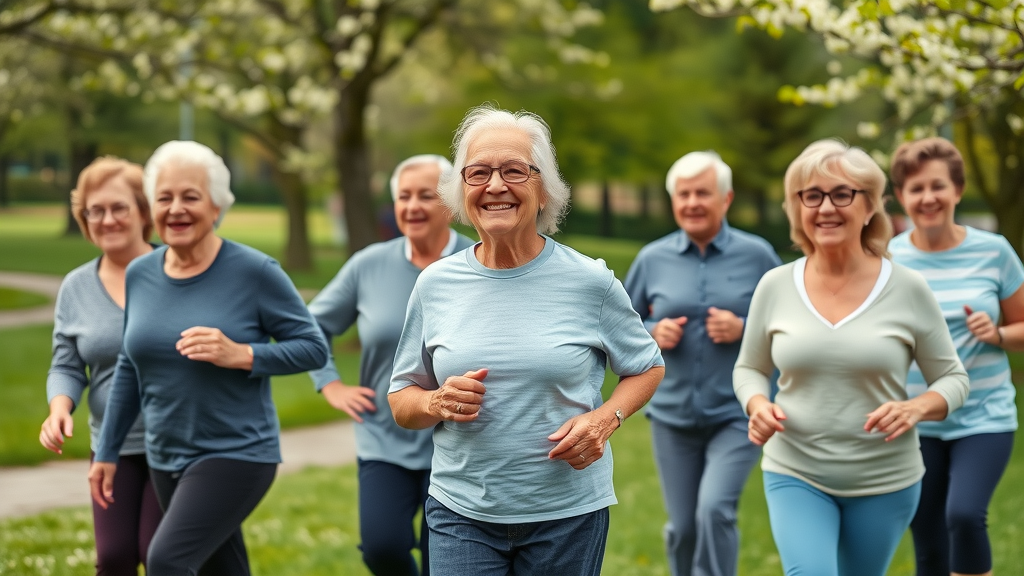
Unlocking Health Benefits: Hidden Ways Physical Activity Empowers Older Adults
Physical activity is a powerful tool—one that not only keeps older people flexible and mobile, but can also profoundly alter the course of multiple longstanding health conditions . Whether you’re managing diabetes, arthritis, or even heart disease, consistent exercise routines can help reduce symptoms, increase independence, and improve day-to-day wellbeing for older adults.
What might surprise you is just how significant these changes can be: research links regular exercise among older people to fewer hospital visits, reduced medication use, and even a lower risk of cognitive decline as they age. Let’s dive deeper into these transformative and often underappreciated outcomes.
Physical Activity vs. Health Conditions: Exercise Benefits for Seniors with Chronic Illnesses
- Regular exercise for seniors helps manage diabetes, arthritis, heart disease, and osteoporosis in older people.
- Clinical studies highlight notable reductions in symptoms and improvements in physical function for older adults who take part in routine physical activity.
Older adults often confront challenges relating to chronic conditions like arthritis or cardiovascular disease, which can be mitigated by targeted physical activity. According to comprehensive medical reviews, exercise programs tailored for older people with diabetes can improve blood sugar control, decrease A1C levels, and reduce the risk of secondary complications. Similarly, gentle strength training and weight-bearing exercises for those with osteoporosis slow bone loss, lessen the risk of falls, and promote better balance and coordination.
Meanwhile, heart disease —a leading cause of morbidity among older adults in the United States—responds positively to moderate physical activity that helps manage blood pressure and stabilize heart rate. Clinical evidence shows that older adults who engage in regular exercise have more energy, require fewer medications, and experience fewer exacerbations of their condition compared to their inactive peers. The takeaway? For nearly every health condition prevalent among older people, starting an exercise program offers distinct advantages that only increase with consistency.
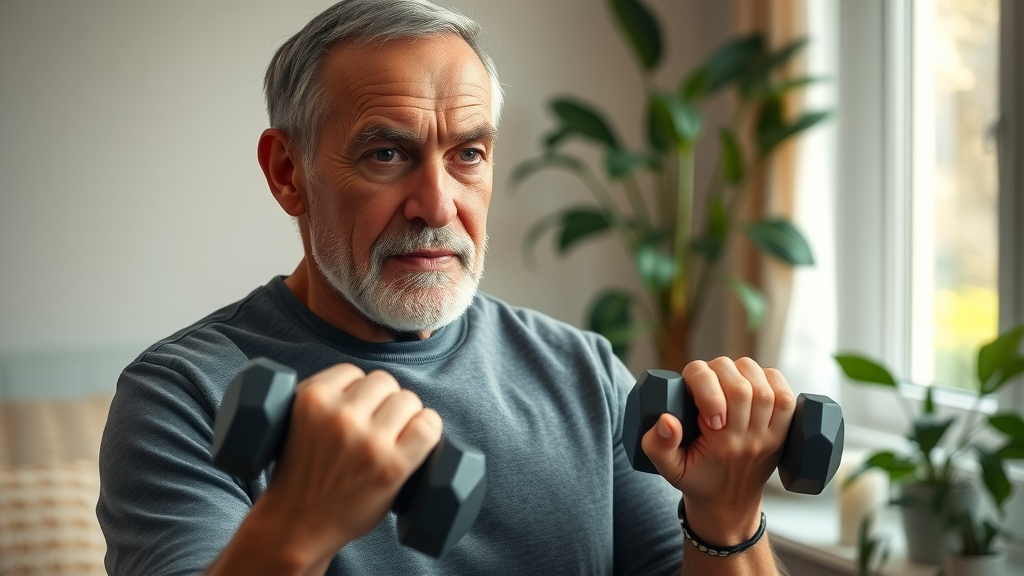
Exercise Benefits for Seniors: Improving Immune Function and Longevity
- Studies reveal that older adults engaging in steady physical activity show stronger immune systems and increased life expectancy .
Longevity is one of the most significant benefits of exercise for seniors, but how does it happen? Consistent, moderate activity can keep the immune system finely tuned, decreasing the odds of infection, illness, and prolonged recovery periods. Research from global aging studies demonstrates that physically active older people not only add years to their lives, but also enjoy those years with improved mental and physical health .
Compared to inactive peers, older adults who regularly move see sharper cognitive performance, are less likely to experience cognitive decline, and even show greater autonomy in performing daily tasks. This broad protective effect helps reduce the risk of falls, minimizes need for acute medical care, and paves the way for a more satisfying retirement. The science is clear—the road to a healthier, longer, and more vibrant life is paved with regular, enjoyable physical activity.
| Health Outcome | Physically Active | Inactive |
|---|---|---|
| Fall Risk | Significantly Reduced | Higher Risk |
| Medication Use | Fewer Medications Required | More Reliance on Medications |
| Hospital Visits | Less Frequent | More Frequent |
| Cognitive Decline Rates | Slower/Reduced | Increased |
Beyond Stronger Bodies: Cognitive Function and Mental Health Benefits of Exercise for Seniors
The power of exercise doesn’t stop at physical health. Older adults who make movement a habit enjoy better brain health and improved mental health —benefits just as critical as strong bones or a healthy heart. Clinical research links both aerobic and strength-based exercise programs with better memory, sharper problem-solving skills, and lower rates of depression and anxiety in older people.
These benefits collectively lead to a richer quality of life, with older people feeling more connected, engaged, and self-reliant—key factors that help prevent age-related decline and promote independence well into the later decades.
Physical Activity Boosts Cognitive Function in Older Adults
- Aerobic and strength-training exercise programs delay cognitive decline and reduce Alzheimer’s risk.
- Studies show brain plasticity increases in older people who exercise regularly.
For older adults, cognitive function often becomes a significant concern with age. Fortunately, physical activity has the remarkable ability to not only protect, but actually enhance, key brain functions. For example, regular brisk walking, dance, or low-impact aerobic exercise helps boost blood flow to the brain, stimulating neuroplasticity—the brain’s capacity to adapt, form new connections, and resist damage from age-related diseases such as Alzheimer’s.
Strength training is equally valuable: studies reveal that seniors combining resistance exercises with aerobic activity show even slower cognitive decline rates and enhanced executive functioning. These programs don’t just keep the mind sharp—they also promote greater independence and social wellbeing for older adults, empowering them to participate more fully in their communities and make vital decisions for themselves.
How Exercise Benefits Seniors by Supporting Mental Health and Well-Being
- Exercise is linked to lower depression and anxiety rates and increased social engagement in older adults.
A consistent exercise routine can be a lifeline for older people facing loneliness, isolation, or stress. Studies confirm that physical activity triggers the release of endorphins—“feel-good” chemicals that help combat depressive symptoms and promote a sense of optimism. Just as important, group exercise programs or classes offer older adults vital opportunities for socialization, reducing feelings of isolation and building support networks that foster lifelong wellbeing.
“Even modest physical activity can significantly improve the mental health outlook for older adults, helping them remain independent and resilient.”
– Medical Expert
For those managing chronic pain, grief, or life transitions, exercise offers a safe, accessible, and empowering strategy for restoring self-confidence and rediscovering joyful engagement with life.
Low-Impact and Accessible Exercise Programs for Older Adults
The most successful exercise programs for older people are those that accommodate their health status and personal preferences, offering gentle yet effective pathways to better health. Today’s options are more accessible than ever—regardless of fitness level or prior experience, there’s a program to suit every older adult.
Whether someone prefers the simplicity of a daily walk, the serenity of tai chi, or the supportive environment of group water aerobics, what matters most is starting—and sticking—with an approach that inspires consistency and joy.
Popular Exercise Programs and Daily Routines Tailored for Seniors
- Walking, water aerobics, tai chi, resistance band workouts, and chair yoga as accessible options for older people.
- Choosing exercise programs considering health condition and mobility constraints.
Among the top recommendations for seniors, walking remains a favorite, delivering cardiovascular benefits, easy access, and social opportunities. For those with joint pain or arthritis, water aerobics offers resistance without impact, making exercise both fun and low risk. Tai chi and chair yoga support balance, flexibility, and mindfulness, while resistance bands enable gentle strength training that adapts to all ability levels.
Selection of the best exercise program depends on individual needs, health conditions, and personal goals. Working with a knowledgeable fitness professional or healthcare provider ensures that the activities chosen are safe, enjoyable, and effective for every older adult—including those managing chronic conditions or limited mobility.
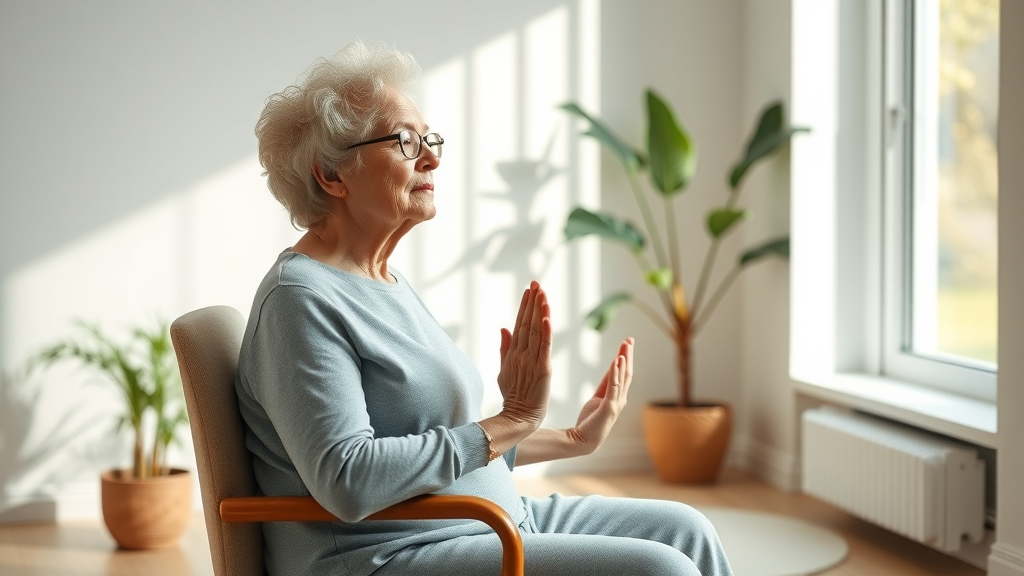
Building a Safe Exercise Routine for Seniors: Tips & Precautions
- Always consult a healthcare provider before starting new exercise programs .
- Practice gradual progression, listen to your body, and prioritize consistency in physical activity .
Safety is a top priority when beginning or advancing an exercise routine . Each older adult is unique, with their own mix of strengths and medical conditions, so it’s essential to start at a comfortable level, increase intensity slowly, and monitor for signs of strain. Consulting with a physician or physical therapist can help you design a routine tailored to your goals while managing risks associated with chronic conditions or limited mobility.
- Warm up fully before any activity
- Stay hydrated throughout your session
- Wear proper, supportive shoes
- Listen to your body and pace yourself
Remember, the best exercise routines for seniors encourage safe, sustainable growth—helping older people stay active and injury-free for the long term. Even small milestones matter, and forming a habit beats performing at high intensity.
Motivation Matters: Staying Engaged with Exercise Benefits for Seniors
The benefits of exercise only last as long as the habit does—which is why motivation, consistency, and a support system are so crucial. Many older adults struggle initially but find their rhythm by starting small, joining others, and celebrating progress along the way.
Social engagement often serves as a powerful motivator: sharing the journey with friends, neighbors, or a spouse inspires accountability and makes physical activity genuinely enjoyable. Let’s look at proven ways to make fitness a regular part of everyday life for older people.
How Older Adults Can Stay Motivated and Make Exercise a Habit
- Build routines, join group classes, track progress, and seek social support among older people.
Setting achievable goals, finding a workout buddy, or attending a favorite class—these practical steps make it easier for older adults to stay consistent with their exercise program . Technology, such as fitness apps or wearable trackers, allows monitoring progress in a fun and tangible way, while group support provides encouragement and a sense of community.

“Finding a walking group at my community center made all the difference in staying active and upbeat.”
– Testimonial from an Older Adult
- Schedule workouts like appointments
- Track progress with journals or apps
- Reward milestones (celebrate achievements!)
- Add variety and try new activities
- Prioritize enjoyment and social interaction
The best exercise programs become second nature when older people surround themselves with a supportive environment—making each workout not just a duty, but a highlight of their day.
Specialized Exercise Benefits for Seniors with Unique Health Needs
Not all older adults are the same—chronic disease, injury, or limited mobility can create barriers to physical activity. Thankfully, exercise programs can be tailored to meet a wide range of special requirements, ensuring everyone has the potential to benefit from movement, no matter their current health condition.
Targeted routines and adaptive exercises allow older people to improve wellness, manage symptoms, and retain independence safely and confidently.
Targeted Exercise Programs for Seniors with Arthritis, Heart Disease, and Mobility Issues
- Customized aerobic, strength, and flexibility exercise programs for older adults with specific health conditions.
For arthritis or joint pain, low-impact activities like water walking, tai chi, and chair-based routines enable older adults to build strength and reduce stiffness without overtaxing sensitive joints. Those facing heart disease benefit most from doctor-supervised aerobic exercise, such as treadmill walking or cycling, which maintains cardiovascular health while minimizing risk.
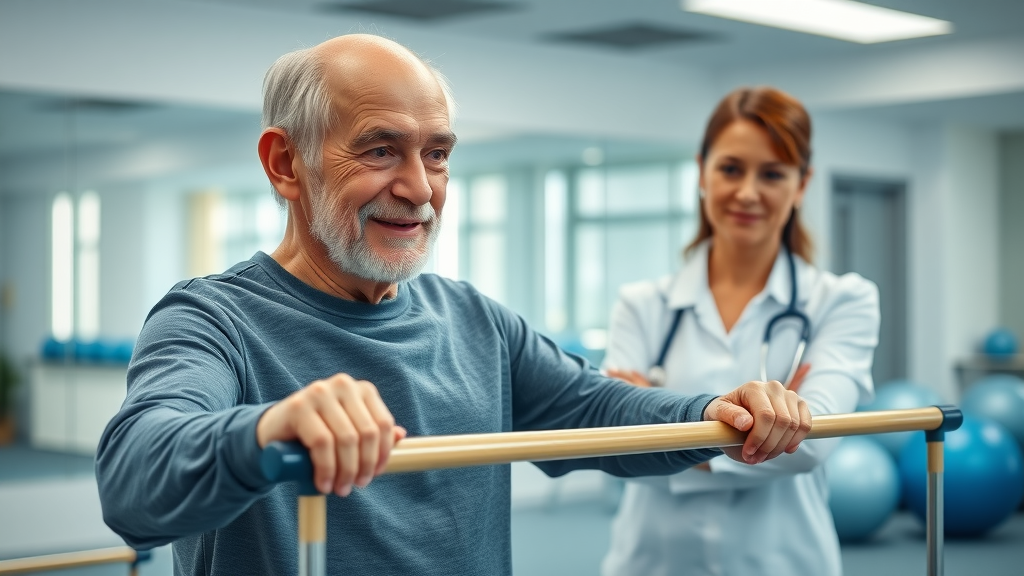
For individuals struggling with balance problems or advanced osteoporosis, guided physical therapy or supervised group classes improve stability, coordination, and confidence. The key is adapting every exercise program to each person’s unique needs, so all older people—even those with a chronic condition —can enjoy the rewards of movement.
| Condition | Recommended Exercises | Special Considerations |
|---|---|---|
| Arthritis | Water aerobics, Tai Chi, Resistance bands | Focus on low-impact movement, joint mobility |
| Heart Disease | Walking, Cycling, Gentle aerobics | Monitor heart rate, consult provider regularly |
| Balance Problems | Tai Chi, Chair yoga, Physical therapy | Supervised sessions, gradual progression |
| Osteoporosis | Weight-bearing walking, Light strength training | Avoid high-impact, focus on posture and alignment |
People Also Ask: In-Depth Answers on Exercise for Seniors
Why is exercise so important for seniors?
- Exercise benefits for seniors are vital for maintaining independence, reducing risk of falls and chronic disease, preserving mental health , and enhancing overall quality of life . For older adults, physical activity slows age-related decline in muscle mass, cognitive function, and immune strength. Daily movement also helps prevent isolation and keeps older people actively engaged.
What is the number one exercise seniors should do?
- Walking is widely recommended due to its accessibility, joint health, and cardiovascular benefits. For most older people, it offers a safe and sociable way to meet activity guidelines while supporting bone and muscle health without undue strain, which helps prevent falls and builds daily confidence.
How much exercise should a 70 year old do?
- The CDC suggests at least 150 minutes per week of moderate-intensity aerobic activity, plus two days of muscle-strengthening activities for older adults. Individual routines should adapt to current health conditions . It’s important to prioritize variety and personal comfort to ensure long-term success and safety.
How far should a 72 year old walk daily?
- Aim for 30–60 minutes of walking daily. These can be broken into shorter sessions—especially when starting out or managing fatigue. The right distance or time depends on individual endurance, medical advice, and overall health goals, but any amount of daily walking will positively impact senior wellbeing.
Practical Steps: How to Begin Experiencing Exercise Benefits for Seniors Today
- Set realistic goals, choose enjoyable activities, involve loved ones, and use technology to track progress for older adults and older people starting an exercise program.
Ready to experience the health benefits of exercise for seniors firsthand? Begin by identifying activities that genuinely interest you—walking, dancing, swimming, or group classes. Keep goals simple and achievable. Pull in friends or family for support and consider logging your journey with a smartphone app or activity tracker. Every step counts on the path to building a lifetime habit!
- Choose 2–3 activities for variety
- Schedule movement 5–7 days/week
- Ask a friend to join for motivation
- Celebrate every milestone, no matter how small
- Keep safety top of mind by checking in with your healthcare provider

Quick Summary of What You’ve Learned About Exercise Benefits for Seniors
- Regular exercise delivers physical, cognitive, social, and emotional benefits to older adults far beyond common expectations.
- There’s a safe exercise program suitable for every health condition and mobility level among older people.
- Starting small, staying consistent, and making physical activity a regular part of life offers the greatest benefits in the long run.
Frequently Asked Questions About the Exercise Benefits for Seniors
-
Can older adults start exercising if they’ve been inactive?
Yes! It’s never too late to start. Begin gradually with gentle activities, consult a healthcare provider, and focus on consistency and enjoyment to build a sustainable habit. -
What are the best group exercise programs for seniors?
Excellent group options include walking clubs, water aerobics, yoga, tai chi, and senior-specific dance classes. Look for classes with trained instructors who adapt routines to all abilities. -
How does exercise influence fall prevention in older people?
Exercise strengthens muscles, improves balance, and increases coordination, all of which directly reduce the risk of falls —a major concern for older adults. -
Is it safe for seniors with chronic health conditions to increase their activity level?
In most cases, yes—but be sure to consult with a healthcare provider to develop an individualized plan and adjust activities based on current health status.
Maximizing the Exercise Benefits for Seniors: The Power to Transform Your Future
- Don’t delay—embrace the proven exercise benefits for seniors . Take the first step towards greater independence, happiness, and health. Start your exercise journey today or encourage an older adult in your life to get moving!
Choose an activity you enjoy, start small, involve others, and celebrate every milestone. Your future self will thank you!


Write A Comment