


Did you know: The number of retirees in Bay of Plenty has surged by over 30% in the last decade? Whether you’re dreaming of a coastal retreat, vibrant community, or easy access to top-notch care, more Kiwis are discovering why Bay of Plenty retirement villages offer a lifestyle second to none. This guide reveals how to find the ideal blend of freedom, friendship, and future-ready living in these thriving retirement communities.
What you’ll learn: Why Bay of Plenty is the region of choice for retirement living, how to compare top villages like Pacific Coast, Te Puke, and Cedar Manor, living and care options, real resident stories, costs, and the steps to secure your place in a thriving retirement community.
Unveiling the Rise of Bay of Plenty Retirement Villages: The Primary Choice for Lifestyle and Care
The Bay of Plenty region has become synonymous with outstanding retirement living , attracting residents not just from around New Zealand, but around the world. Picture yourself in a stunning coastal landscape where vibrant communities blend independence with exceptional care options— Bay of Plenty retirement villages have redefined what 'retirement village' means in Aotearoa. These villages are not just a response to a demographic trend; they're a proactive embrace of the lifestyle older Kiwis desire: connection, safety, and choice, all within reach of some of NZ’s best natural scenery.
With amenities modeled on modern resorts, from bowling greens to swimming pools, and communities located near amenities in Mt Maunganui , Te Puke , and Greerton, it's easy to see why retirees are flocking here. Bay of Plenty retirement villages feature homes, apartments, and serviced apartments, providing for the full spectrum of care—from independent living to assisted living and beyond. These villages deliver a remarkable blend of autonomy, social engagement, and peace of mind, wrapped up in lush garden settings or coastal locales.
As the demand for vibrant yet secure retirement options grows, Bay of Plenty villages continue setting national standards for innovation, sustainability, and quality of life. All this, paired with a sense of community and Kiwi belonging, make them the primary choice for lifestyle and care in New Zealand retirement living.
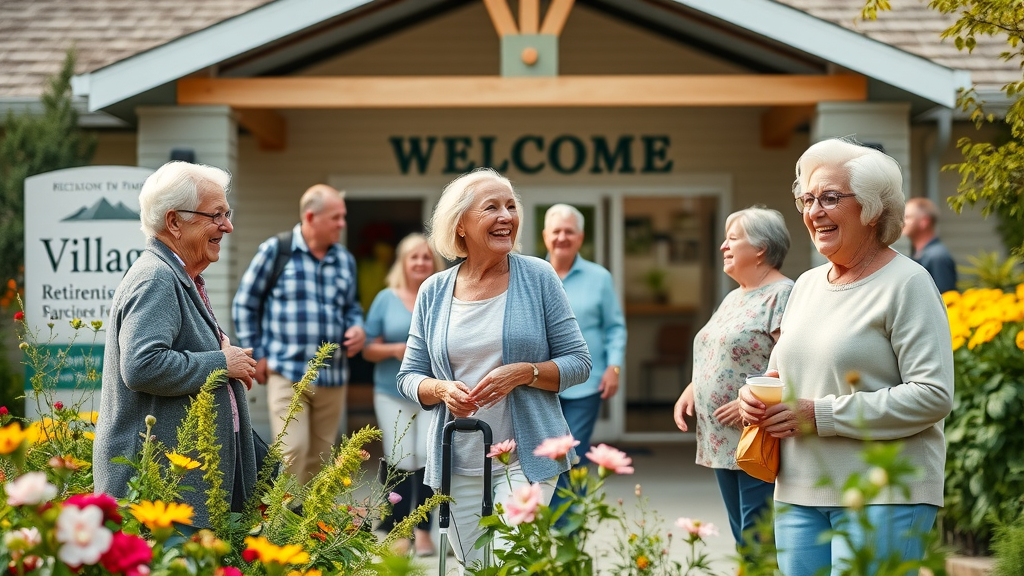
"Did you know the number of retirees in Bay of Plenty has surged by over 30% in the last decade? Discover why more Kiwis are choosing these vibrant retirement villages today."
Why Bay of Plenty Retirement Villages Stand Out: Lifestyle, Location, and Community
Choosing where you’ll call home in retirement is one of life’s biggest decisions. Bay of Plenty retirement villages stand out by offering the perfect trifecta of lifestyle, location, and genuine community spirit. Whether you’re drawn to the ocean breeze of Pacific Coast , the rural charm of Te Puke , or the convenience of Greerton Oaks , every village offers a unique flavor but shares common strengths: safety, camaraderie, and day-to-day convenience.
The community facilities and services are tailored to nurture active, connected lives. You'll find resort-style amenities—from bowling greens and heated pools to communal gardens and clubhouses—designed to bring residents together. The region itself is another drawcard: mild weather, proximity to Mount Maunganui ’s beaches, local produce at farmers' markets, and easy access to urban centres and healthcare.
Perhaps the strongest feature of Bay of Plenty retirement villages is their sense of community. Residents can join in with activities, social clubs, village markets, and volunteer groups—creating friendships that flourish. The villages are designed with accessibility in mind, placing everything you need—a pharmacy, rest home, or even a cafe—on your doorstep. Every detail is crafted to help you choose the lifestyle you want with the support to age well, on your own terms.
Comparing Bay of Plenty Retirement Villages: Amenities, Setting, and Key Features
| Village | Setting | Key Amenities | Care Options |
|---|---|---|---|
| Pacific Coast | Coastal, near Mt Maunganui | Bowling green, swimming pool, clubhouse | Independent & Assisted Living |
| Te Puke | Rural-fringe, peaceful surrounds | Community gardens, events centre | Independent Living, Rest Home Care |
| Cedar Manor | Suburban, close to shopping | Café, craft rooms, library | Assisted Living, Serviced Apartments |
| Greerton Oaks | Central Tauranga | Heated pool, cinema, outdoor BBQ | All care levels |
| Coast Village | Seaside, scenic walking paths | Coastal walks, wellness centre | Independent & Assisted Living |
Exploring Popular Bay of Plenty Retirement Villages
Retirement Village Highlights: Pacific Coast, Pacific Coast Village, and Coast Village
Pacific Coast and its impressive Pacific Coast Village are among the top picks for those dreaming of retirement near the rolling waves and sunshine of the Bay of Plenty . These villages are celebrated for their modern architecture, abundant greenery, and focus on both wellness and community. Residents enjoy morning walks along coastal paths, friendships cemented over lawn bowls, and relaxing afternoons at the club lounge with panoramic ocean views.
The Coast Village experience is equally inviting, blending seaside tranquility with innovative facilities and attentive services. With easy access to nearby amenities, lifestyle here balances independence with just the right level of support. Social events, hobby groups, and wellness classes animate daily life, all underpinned by highly rated care options available should they be needed.
For those seeking a vibrant resort-like community, the coast villages are hard to beat. With a range of property types available, there’s choice and flexibility—plus the opportunity for a virtual tour if you’re comparing options remotely.

Experience Te Puke & Greerton Oaks Retirement Communities
Known for its welcoming rural ambiance and close-knit vibe, Te Puke retirement village attracts those who value pastoral beauty without sacrificing comfort. Residents praise the peaceful views, bustling activity calendar, and proximity to both nature and community amenities. The village offers thoughtful living options —from spacious villas to compact serviced apartments—so each stage of retirement feels like an upgrade rather than a compromise.
Greerton Oaks , centrally located in Tauranga, prides itself on its dynamic social life and all-inclusive facilities. Enjoy daily dips in the heated swimming pool, movie nights in the private cinema, and BBQs under mature shade trees. The team ensures every resident can access specialist care options as needed, including nursing support, physio, and in-home help—making it easy to relax into village life, knowing you’re in good hands.
Both Te Puke and Greerton Oaks cultivate a sense of belonging and engagement. Whether you love gardening, arts & crafts, or want to volunteer, these villages provide meaningful activities—and the gentle, friendly pace that Bay of Plenty villages are loved for.
Understanding Cedar Manor, Bob Owens, and Other Local Options
Cedar Manor offers a warm community atmosphere right in the heart of the Bay of Plenty , making it a popular choice for residents who want accessibility teamed with independent or assisted living. The on-site café buzzes with activity most mornings, and regular workshops—from art classes to guest lectures—bring opportunities for lifelong learning. Well-designed apartments and serviced suites cater for evolving needs, with clinical and support staff available around the clock.
Bob Owens and other local retirement villages such as Bob Owens Retirement Village and Owens Retirement Village further expand the options for retirees. Each has its own personality and blend of facilities, from lush community gardens to private event spaces. The focus is always on enabling residents to age gracefully—with seamless transitions between independent living , assisted living , and specialist care options as health needs change.
No matter which community you explore—from Cedar Manor to Bob Owens —you’ll benefit from modern, thoughtfully designed environments, social opportunities, and a reassuring sense of security. These local options ensure there’s something for every taste, lifestyle, and preference.
Bay of Plenty Retirement Villages Living Options: From Independent Living to Assisted Care
Retirement Living and Independent Living Explained
Retirement living in Bay of Plenty villages is all about freedom and choice. Many opt for independent living —owning or leasing a villa, apartment, or townhouse in a secure community, with access to services as needed. This set-up allows retirees to enjoy maximum autonomy: you can host grandkids, garden, join events, or simply relax, all while knowing help is only a call away. These living options often include external maintenance, security, and optional meal plans, minimizing daily chores so you can focus on what matters most.
The beauty of independent living within Bay of Plenty retirement villages is the variety: homes range from compact apartments with sweeping views to larger villas perfect for entertaining. You’re supported by vibrant community life—shared events, fitness classes, group outings—but you also retain your own private, personal space. This approach reduces isolation and provides peace of mind for both residents and their families.
For those approaching their later years, or simply valuing extra support, retirement villages offer a clear pathway to other levels of care, all under one roof. This flexibility is part of what makes Bay of Plenty retirement villages especially attractive compared to traditional rest homes or standalone properties.

Assisted Living, Serviced Apartments, and Care Options Within Bay of Plenty Retirement Villages
When greater support is required, assisted living and serviced apartments become available in many Bay of Plenty retirement villages . These solutions are designed for residents who prefer maintaining some independence, but need extra help with meals, medication, or personal care. Serviced apartments typically include prepared meals, weekly cleaning, and personal laundry, combining hotel-like convenience with the warmth of home.
As health needs change, residents may transition seamlessly to higher levels of support, including full rest home care, dementia care, or specialized nursing. Unlike traditional rest homes, retirement village care is woven into the fabric of the community, making transitions less stressful and preserving the familiar comforts of home. Care options are tailored, with registered nurses and allied health professionals available to coordinate short-term recovery stays or longer-term health plans.
This spectrum of care— independent living , assisted, and serviced—means couples and friends can remain together in the same community, even as care needs diverge. That continuity and sense of belonging is a signature strength of retirement villages in the Bay of Plenty, giving residents genuine security and support without sacrificing quality of life.
Costs and Value: What to Expect from Bay of Plenty Retirement Villages
Bay of Plenty retirement villages offer world-class amenities, but it’s essential to understand your options and what drives costs. Village pricing structures are transparent and typically reflect three core factors: location, living option or property type, and level of service or care. Coastal or centrally located villages, such as those near Mt Maunganui or city centres, often command a premium. Smaller rural options, like those in Te Puke, may be more cost-effective while still delivering high standards.
The range of living options —including villas, apartments, and serviced units—directly influences the entry price and ongoing costs. Independent living usually has a lower base fee, as residents require fewer services, whereas assisted living and serviced apartments will include bundled services such as housekeeping, personal assistance, and meals. Most villages operate on an occupational rights agreement (ORA), with a refundable portion and weekly village fees. It’s always wise to consult the village sales team or a financial advisor to clarify what’s included and what’s extra.
- Location: Proximity to beaches, central shopping, or medical centres increases costs but also enhances convenience and lifestyle.
- Living Option: Villas and premium apartments are more expensive than standard units or serviced suites.
- Service Level: Additional costs apply for higher care levels, meals, cleaning, or nursing assistance.

"Our residents often say the peace of mind and vibrant community are worth every cent."
Real Resident Stories: Life in Bay of Plenty Retirement Villages
Nothing captures the spirit of Bay of Plenty retirement villages quite like the voices of those who live there. Residents describe daily life as a blend of comfort, freedom, and purpose. One long-time resident of Pacific Coast Village shares, “I never thought I’d have more friends in my eighties than in my thirties, but village life has given me that.” Social events, shared gardens, and craft groups ensure no day is ever dull.
Other residents speak highly of the security and practical peace of mind delivered by on-site staff and comprehensive care options . “My partner and I live in a serviced apartment with all the help we need but can still walk to the beach or host our grandsons for Sunday lunch—best of both worlds.”
Retirement villages here have won a loyal following for their friendly culture, excellent amenities, and robust support networks. For many, it’s the community spirit—people looking out for one another, supporting each other’s wellbeing—that makes these villages so much more than just a place to live.

Making the Move: When, Why, and How to Transition to Bay of Plenty Retirement Villages
Deciding when and how to shift into retirement living is deeply personal, but Bay of Plenty villages make the process simple and smooth. Most experts and happy residents recommend planning early—ideally before health or mobility needs become urgent. This proactive approach lets you take full advantage of social offerings, get settled, and build friendships before needing additional care.
Start by narrowing down property types and locations that fit your retirement dreams. Virtual tours, open days, and chats with current residents can help you visualize your life in each village. Next, organize a consultation with village staff to clarify services, contracts, and fees. Family input is invaluable, but ultimately the choice should reflect your personal needs and lifestyle ambitions.
When you find the right fit, moving in can be surprisingly transitional—most villages offer welcome committees and buddy systems to help new residents adjust. The result? A seamless entry to an exciting new chapter, with all the support you need to flourish.
People Also Ask
Is Bay of Plenty a good place to live?
Absolutely— Bay of Plenty is regarded as one of New Zealand’s top lifestyle destinations. Its blend of coastal beauty, vibrant communities, and year-round mild climate make it particularly attractive for retirees. With easy access to healthcare, bustling local culture, and safe, welcoming neighbourhoods, it remains a popular choice for anyone considering retirement villages or rest homes.
Discover why Bay of Plenty is regarded as one of New Zealand’s premium lifestyle destinations, perfect for retirement.
The Bay of Plenty region combines stunning beaches, fertile countryside, and cosmopolitan convenience. It supports active living with plentiful outdoor activities, rich cultural events, and a friendly local spirit. The presence of world-class retirement village options further cements its reputation as an ideal retirement destination.
What is the best age to move into a retirement village?
The decision is unique for everyone, but most residents move into Bay of Plenty retirement villages between ages 70 and 80. Moving earlier lets you fully enjoy the social, community, and care facilities, integrating smoothly into village life before any urgent care needs arise.
Guidance on the ideal time to consider transitioning to retirement village living based on health, independence, and community integration.
It’s time to consider the move when you want an easier lifestyle free from home maintenance, when social opportunities are appealing, or if you need extra daily support. Early movers often enjoy better health outcomes and deeper community connections, ensuring a rewarding and worry-free retirement.
How expensive are retirement villages?
Costs for Bay of Plenty retirement villages vary depending on location, property type, and services. Independent living can start from several hundred thousand dollars for an apartment or villa, with additional weekly fees. Assisted and serviced apartments cost more due to bundled support services. Clarity on contract terms and inclusions is essential—never hesitate to ask questions!
Overview of cost structures for Bay of Plenty retirement villages, comparing independent living and assisted care prices.
Expect to pay a one-time capital sum (often refundable) for your residence, plus ongoing weekly village fees. Assisted living and care apartments include charges for meals, laundry, and nursing care, leading to higher costs—yet many residents confirm the value and peace of mind outweigh the expenses.
How much does the Summerset Village cost?
Summerset Village pricing depends on unit size and level of care but typically falls within the region’s median. Entry-level apartments in Bay of Plenty start around $450,000-$600,000, with serviced apartments or care suites costing more due to enhanced services. Always compare these to local competitors such as Cedar Manor or Bob Owens for the best fit and value.
Breakdown of Summerset Village costs specific to the Bay of Plenty region and comparison to similar local options.
Costs at Summerset are competitive with other leading retirement villages in Bay of Plenty. Independent living units remain affordable in the context of local real estate, while care suite fees are in line with those at Bob Owens or Coast Village. Seek a comprehensive breakdown of fees and included services from each village before making your decision.
Comprehensive FAQ: Bay of Plenty Retirement Villages
- Can I bring my pet? Many Bay of Plenty retirement villages welcome small pets, but rules vary—ask early!
- Are visitors allowed? Yes, residents are encouraged to host family and friends, with guest facilities often available.
- What if my health needs change? Villages are designed for seamless transition between independent, assisted, and full care, so you can age in place.
- Is there a waiting list? Popular villages (like Pacific Coast or Bob Owens) may have waiting lists; plan and enquire early.
- How do I book a tour or virtual tour? Contact the village team or visit their website to schedule in-person or virtual tours—most are happy to accommodate your needs.
Next Steps: Book Your Tour or Enquire About Bay of Plenty Retirement Villages Today
Ready to discover the best of Bay of Plenty retirement living? Contact your preferred village today to book a private or virtual tour, meet residents, and receive information tailored to your needs. Secure your place and make your next chapter the best yet— Bay of Plenty retirement villages are here to help you flourish!
Take the next step—book a visit, explore your options, and experience easy, vibrant retirement living in the Bay of Plenty today!


Write A Comment